
CALL NOW (801) 404-9451
Tag

utah basement finishing

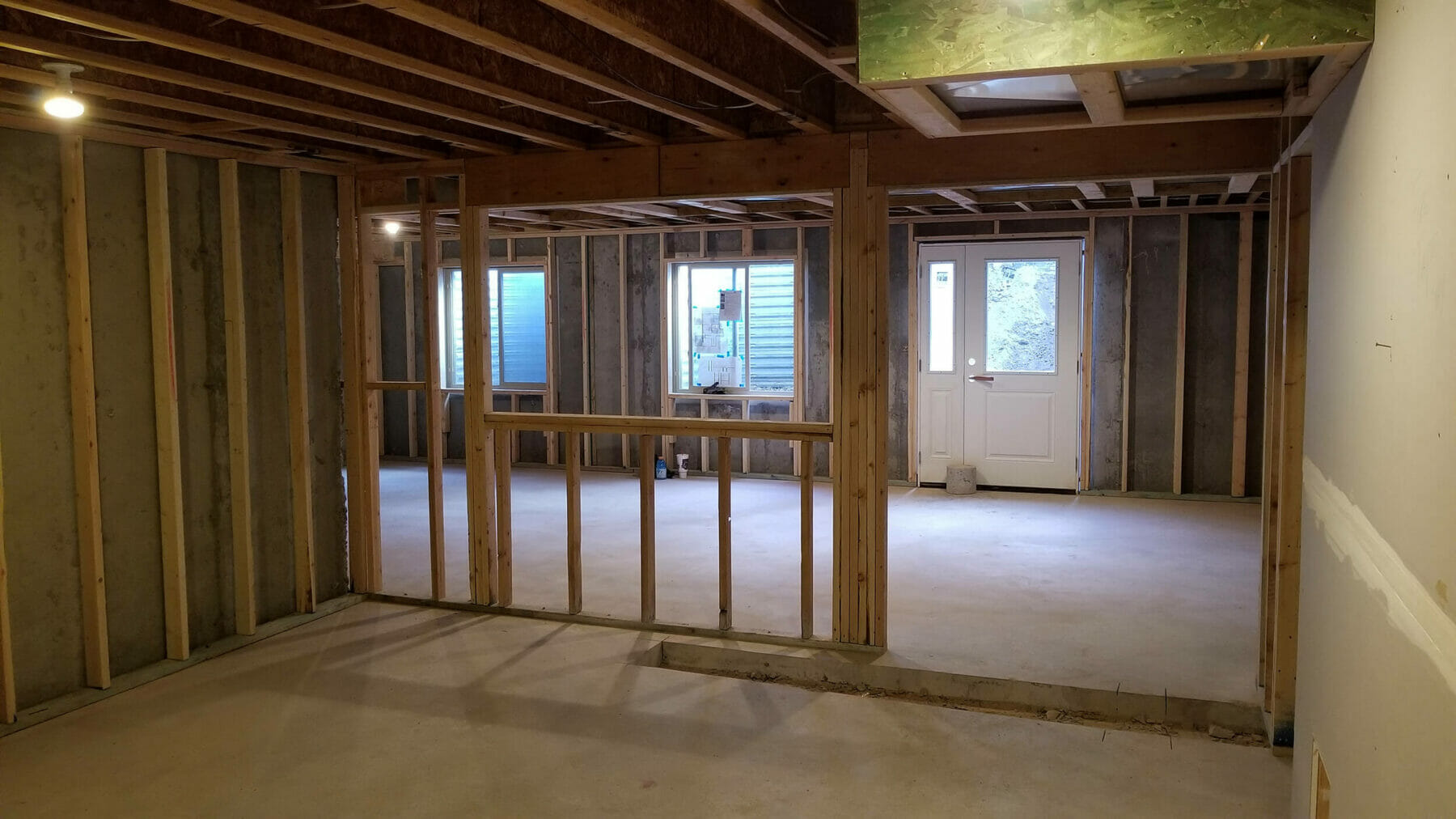
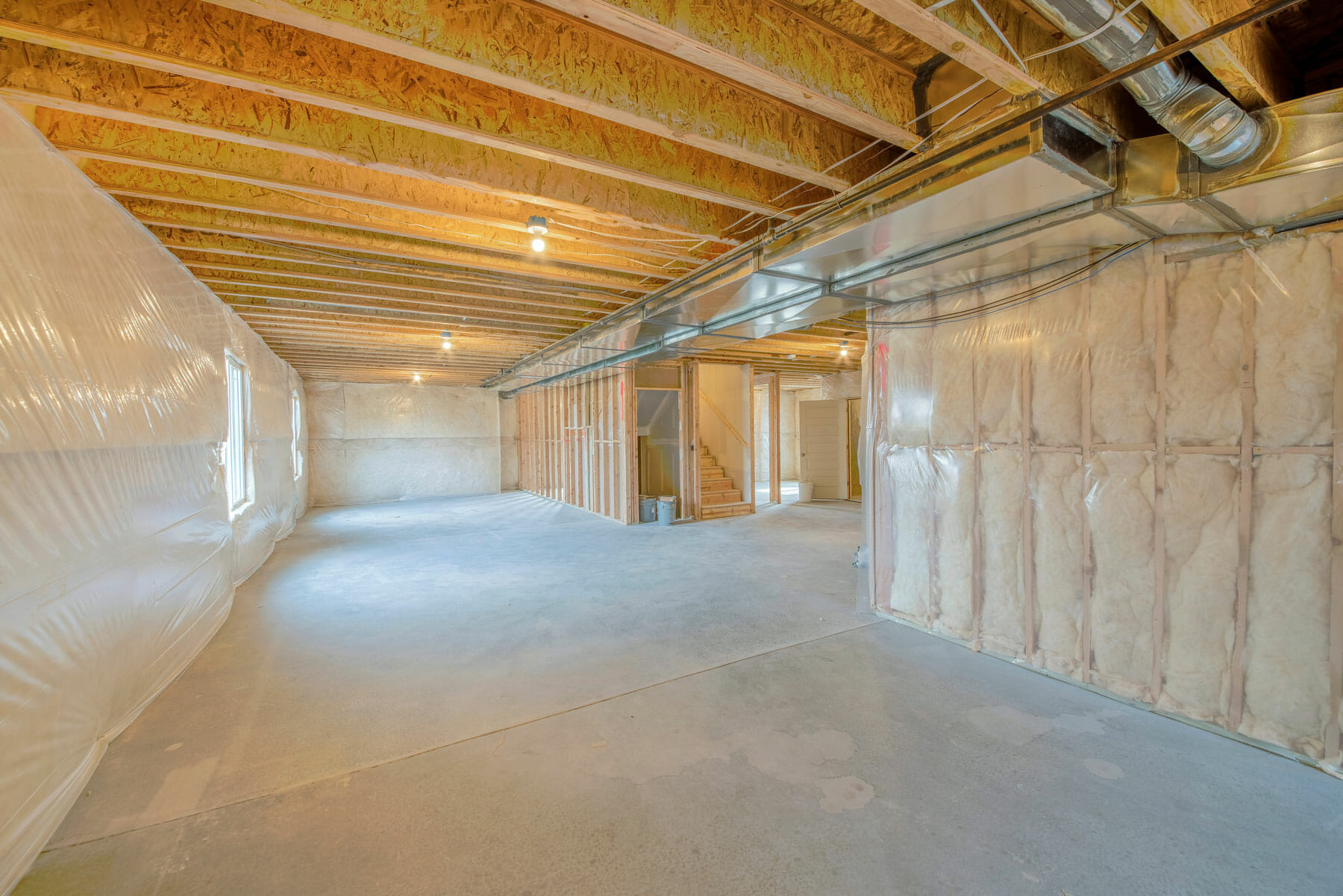
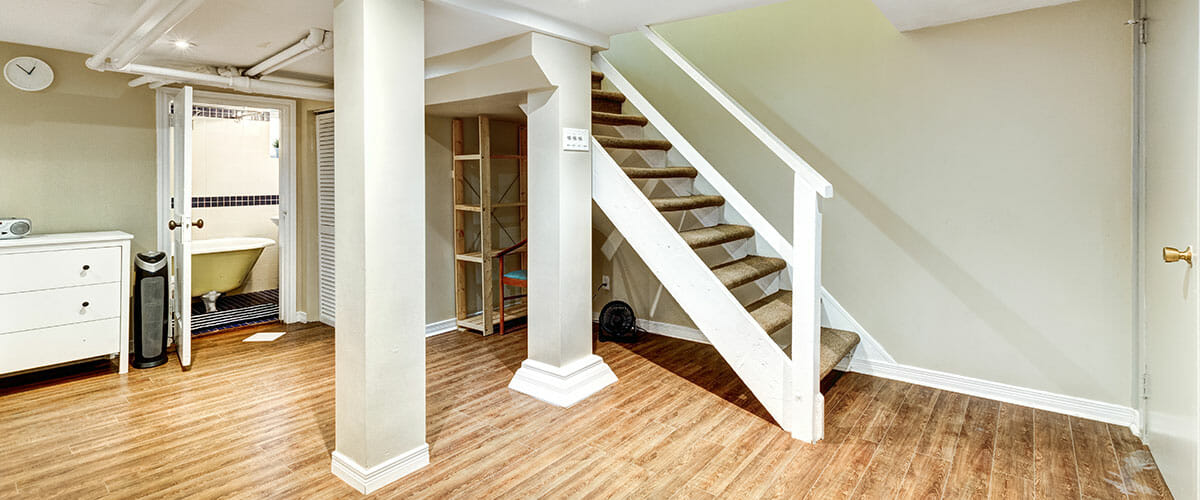
An unfinished Utah basement with a small section of drywall, concrete floors, and brick walls

The Utah Insider’s Guide to Basement Finishing: What You Actually Need to Know

By Basements

Last week, a guy in Lehi told us he’d been reading basement finishing guides for months. Felt pretty confident. Then he hit clay soil at 18 inches and his trenching shovel bounced off like he was digging concrete.

Welcome to Utah.

Those online guides? They assume your biggest challenge is picking paint colors. They don’t mention that Davis County wants different paperwork than Salt Lake County. Or that if you start digging in March, you might hit groundwater that wasn’t there in January.

Our crew has finished basements in everything from Sandy’s rocky hardpan to Saratoga Springs‘ shifting clay. We’ve dealt with building inspectors who know the code by heart and others who… well, let’s just say Google is their friend.

Here’s what we wish someone had told us when we started doing this work: Utah basement finishing isn’t hard because of the construction. It’s hard because of everything else.

So forget the generic advice. This is what finishing a basement in Utah actually looks like.

A Utah general contractor planning a basement finishing project on their tablet with design plans on their desk

What’s the Deal With Utah Basement Finishing Permits?

Every Utah county handles basement finishing permits differently, and those differences can cost you time and money if you’re not prepared. We’ve managed permitting across Utah. While permitting requirements usually change depending on your city or municipality, here are some generalizations we’ve found based on county:

Salt Lake County

Timeline Reality: Budget 2 weeks for your initial submission to get reviewed. If they send it back for changes (and they probably will), plan another 1-2 weeks for resubmissions. Total time? About a month if everything goes smoothly.

The Cost: Expect $100-500, depending on your project scope. Salt Lake City has a fee estimate tool online that’ll give you a ballpark number before you commit.

Utah County

Timeline Reality: Plan reviews take 1-2 weeks once submitted, but getting everything ready for submission? That’s where most people get stuck. The paperwork prep can take longer than the actual review.

The Cost: For typical basement sizes (600-1,500 square feet), you’re looking at $420-1,050, plus zone fees that run $10-110 per inspection. Those inspection fees add up fast when you consider electrical, plumbing, framing, and final inspections. Oh, and they want $300 upfront just to look at your application.

Davis County

Timeline Reality: Davis County is the slowest of the three, taking about 3-4 weeks for the full process. They’re thorough, which means fewer back-and-forth revisions, but it also means waiting longer upfront.

The Cost: Plan on $388-752 for typical basement sizes, plus a 65% plan review fee and a $500 refundable construction bond. Yeah, that bond gets refunded when your project passes final inspection, but it’s still money tied up during construction.

Skip the Headache, Let Us Do It For You

Here’s the thing about permits: knowing the requirements is only half the battle. The other half is knowing which inspector is going to show up, what they actually care about, and how to get things approved without three rounds of revisions.

We’ve been through this process hundreds of times across all three counties. We know Salt Lake County wants your electrical panel clearances documented a specific way. We know Utah County’s health department has quirks about bathroom ventilation that aren’t obvious from their checklist. We know Davis County’s building department gets backed up in spring, so timing your submission matters.

Most homeowners spend weeks just figuring out what forms they need, then more weeks waiting for corrections. We handle the entire permitting process, keep your project moving, and make sure you’re not paying permit fees twice because something got submitted wrong the first time.

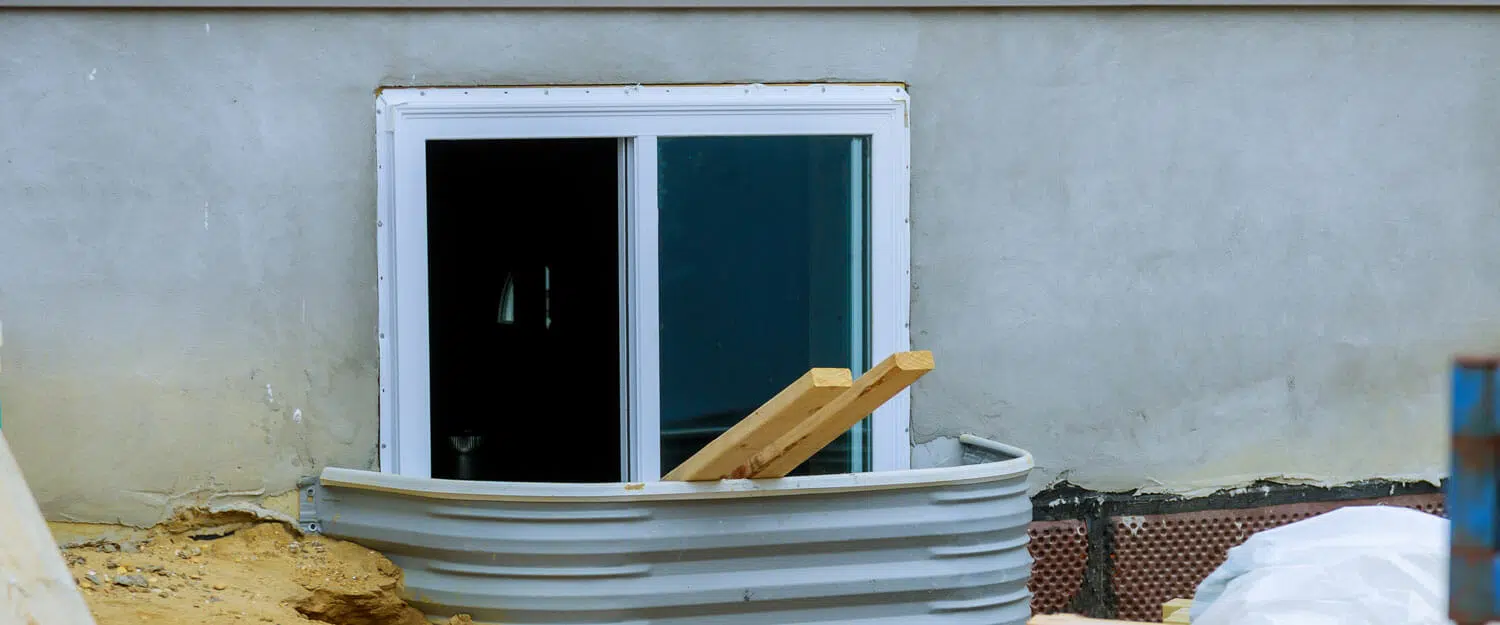
Basement window sealing in Utah to prevent leaking in the winter

Winter Basement Projects: Utah’s Insider Secret

Most homeowners rush to start their basement finishing in spring. Big mistake. In Utah, winter is actually your golden window for basement projects. We’ve seen this play out hundreds of times.

Contractor Availability Changes Everything

Subcontractors who are booked solid in June will practically fight for your business in December. Electricians, plumbers, framers, they all experience seasonal swings. That basement project quoting at 14-16 weeks during peak season? We regularly complete similar projects in 10-12 weeks during winter months.

This isn’t just about speed. When contractors aren’t juggling multiple jobs, your project gets more focused attention and often better quality work.

The Real Deal with Winter Permits

Permit offices slow to a crawl during construction season. The same permit application that sits in a stack for three weeks in May might get processed in just one week during January.
We’ve seen this first-hand. Our permit submissions are processed much quicker in the winter months than during peak construction season. No policy changes, just fewer applications competing for attention.

Materials: Buy Before the Spring Surge

Construction material prices follow predictable patterns in Utah. Suppliers raise prices when demand increases, typically starting in March. We’ve watched this cycle repeat year after year.
Wood products, drywall, and concrete materials often see the biggest seasonal price swings. By purchasing these materials in November through February, our clients regularly avoid the 3-7% price bumps that hit in spring.

Scheduling Flexibility Pays Off

Winter projects offer another benefit: flexibility. Need your framers to come back for a small change? In summer, that might mean a two-week delay. In winter, they’ll often swing by the next day.

This scheduling advantage extends to inspections too. Instead of waiting a week for an electrical inspection during busy season, winter inspections often happen within 1-3 days of requesting them.

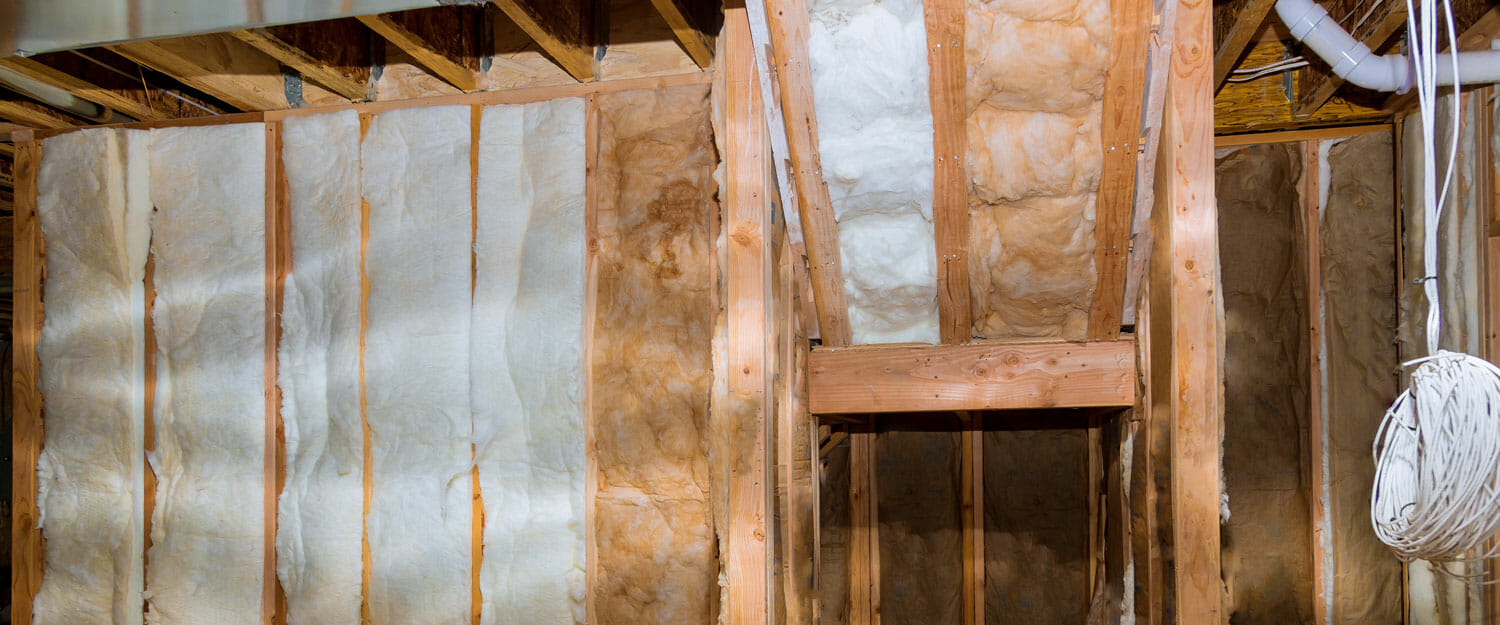
An unfinished basement in Utah with electrical wires in the wood framing

DIY or Hire a Pro? The Utah Basement Finishing Reality

A client in South Jordan showed us his DIY electrical work last month. He’d followed a YouTube tutorial perfectly. Problem was, the tutorial creator lived in Florida. Different code, different requirements, different inspector expectations. The entire system had to be redone.
Welcome to the DIY basement finishing game in Utah. It’s not like everywhere else.

What Utah Makes Harder Than It Looks

Electrical Work That Passes Inspection

Utah’s seismic zone requirements change everything. Your outlets need specific earthquake protection. Your panel needs precise clearances. That GFCI protection in basement spaces? Utah inspectors check twice.

We’ve watched homeowners spend three weekends on electrical work, only to fail inspection twice. The wiring was fine. The documentation and seismic considerations weren’t.

Plumbing vs. Utah’s Angry Soil

Utah’s clay soil doesn’t just sit there. It moves. It expands. It contracts. It breaks pipes.

You might be tempted to do your own bathroom rough-in. Six months later, the clay soil shifts during spring thaw and cracks every connection. The repair costs triple what professional installation would have.

Clay soil problems vary wildly across neighborhoods. What works in Riverton won’t necessarily work in Provo. Local knowledge matters more than technical skill here.

HVAC That Actually Works Year-Round

Utah throws 100-degree summers and single-digit winters at your basement. Generic HVAC solutions fail spectacularly.

We’ve replaced dozens of DIY mini-splits that couldn’t handle our temperature swings.

Painting a white wall in a Utah basement finishing project

What You Can Absolutely Handle Yourself

Painting and Trim Work

Utah’s dry climate is actually your friend here. Paint dries faster, stain sets better, and humidity issues are minimal. Go ahead and grab that roller.

The desert air means fewer problems with paint bubbling or trim warping after installation. Even novice DIYers can achieve professional-looking results.

Basic Framing Projects

Building that media room partition or closet? No problem. Just stay away from anything load-bearing.

Remember though, Utah cities vary on whether basic framing needs permits, especially if you’re running any electrical, plumbing, or other HVAC through the walls.

Insulation Installation

Basement insulation is straightforward even for Utah’s climate extremes. The code requirements are clear, and installation doesn’t require specialized knowledge of local conditions.

Most homeowners save $2-3 per square foot by handling insulation themselves. Just remember that vapor barrier requirements in Utah basements are crucial for preventing moisture problems unique to our climate.

The Professional Sweet Spot

Drywall That Doesn’t Crack

Utah’s bone-dry air makes joint compound behave differently. It dries faster than you think, sometimes too fast.

We’ve seen countless DIY drywall jobs develop cracks within months. Professional drywallers know exactly how to mix mud for Utah’s conditions and how to account for our seasonal humidity shifts.

Flooring That Lasts

Those wild temperature swings we get in Utah? They’re quietly wrecking your basement floor. Summer to winter, your foundation moves more than you realize.

We fixed a basement floor last fall where the homeowner had installed luxury vinyl perfectly. Followed the instructions to the letter. But by August, the floor was buckling along the walls and popping up at the seams. No installation error caused this. Just Utah being Utah.

The problem? Standard expansion gaps work for normal climates. Our basements need something different. Professional installers know to adjust those gaps based on your specific location and the seasonal changes your home experiences.

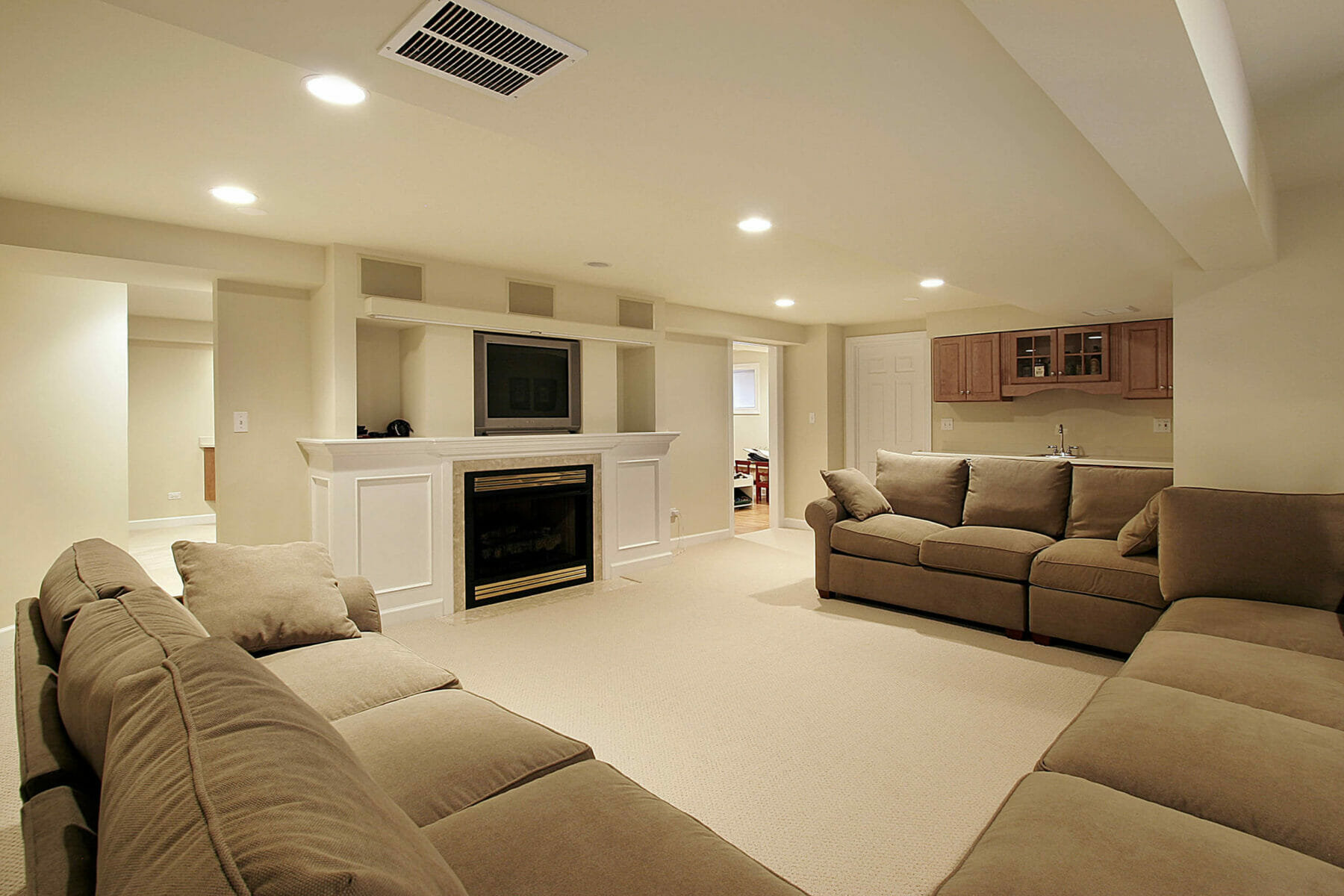
A newly renovated basement in Utah with a living room, fireplace, and kitchen

The Bottom Line

Finishing a basement in Utah isn’t like anywhere else. Those online guides assume you’re dealing with normal soil, standard permits, and predictable weather. They don’t account for the particular Utah nuance that’s needed for a successful (on the first try) finished basement.

We’ve guided hundreds of Utah homeowners through this process, navigating their city’s specific permit quirks, timing projects during winter’s sweet spot when contractors aren’t juggling five jobs at once, and doing it all in an upfront, honest, and transparent way. Whether you’re tackling parts yourself or need someone who knows exactly why your electrical work failed inspection twice (even though it looked perfect), we understand what works in Utah’s unique conditions.

Ready to skip the trial-and-error phase? Let’s turn your basement into the space you’ve been planning, without the headaches that come with figuring out Utah’s construction reality the hard way. Request your free quote today.

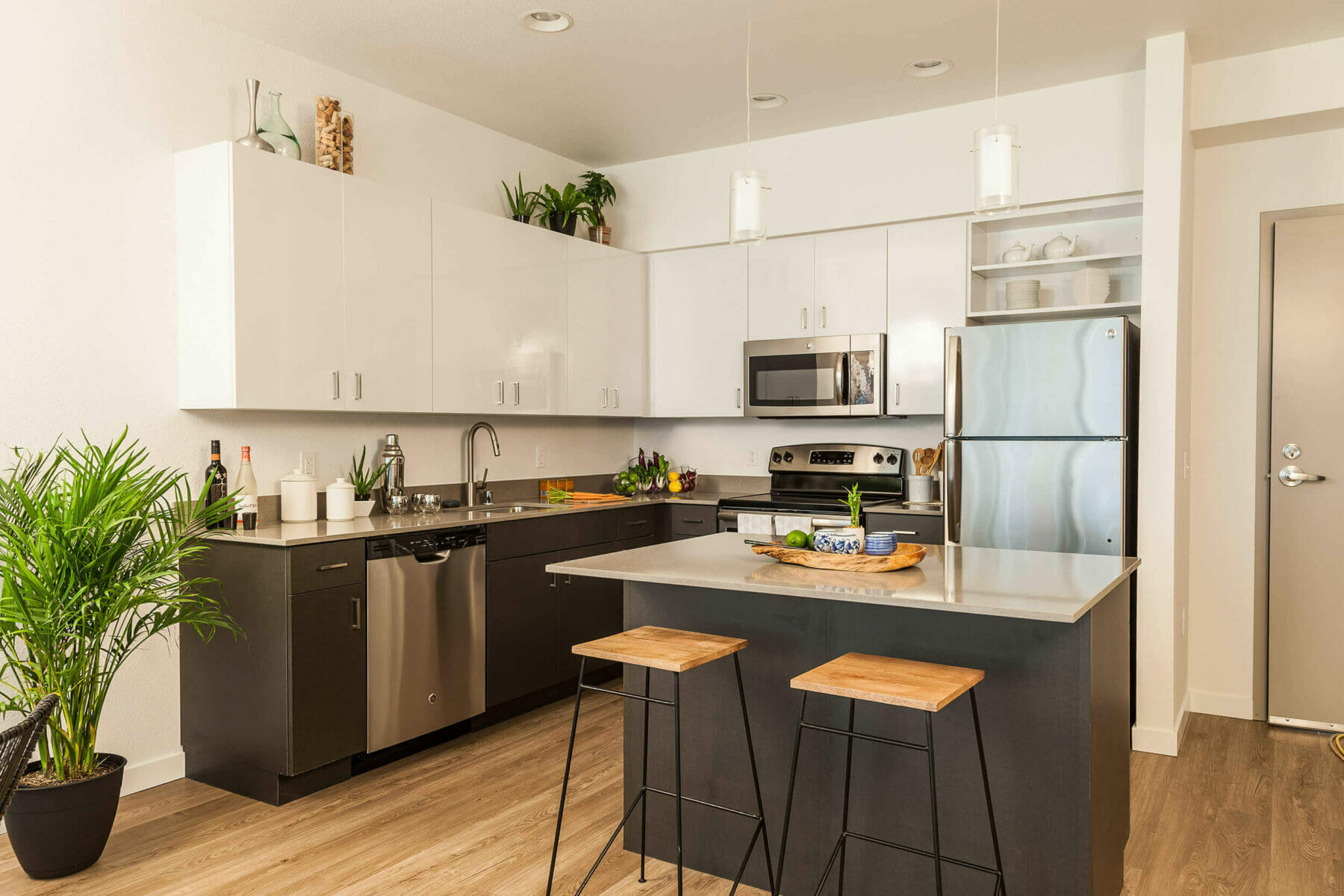
Basement remodel with kitchen from Aspire Construction

Basement Finishing for Waterproofing

By Basements

At Aspire Construction, we understand the importance of basement finishing for a dry and waterproof basement. We put together these helpful tips to ensure your basement stays free from water damage and is ready for finishing. Whether you want to finish your basement, remodel it, or just keep it dry and damage-free, these tips will help you keep it in top condition.

Check for Signs of Water Damage Regularly

Regularly check for signs of water damage in your basement. Look for dampness, mold growth, musty odors, or water seepage. By catching these issues early, you can address them before they escalate into more extensive and costly problems. Along with treating the damage, trace it back to find the source of the moisture and address that, too. Water damage and the leaks that cause them can delay basement finishing and remodeling work, which can drive up the costs. Address these issues as soon as possible. Regularly inspecting your basement will help you avoid any potential waterproofing problems.

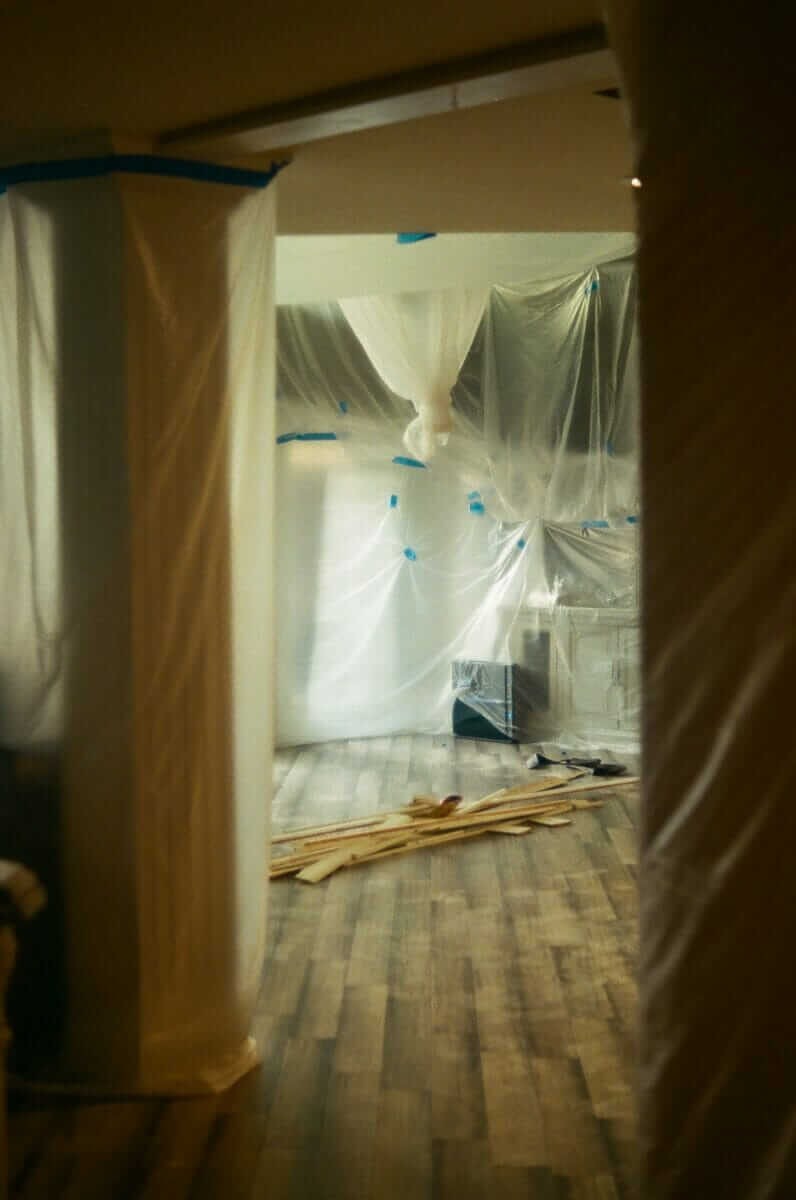
An empty room in a newly finished basement in Utah

Maintain Proper Exterior Drainage

Maintain proper exterior drainage from your basement to ensure it stays dry. Keep your gutters and drains clean and debris-free to allow water to flow away from your foundation. Consider grading the ground around your home away from the foundation to prevent water seepage into your basement.

Installing a French drain or other drainage system can also help redirect water away from your home. Also, sump pumps can remove excess water that accumulates, further protecting your basement from potential water damage.

If you notice drainage issues, address them before they cause damage that leads to a complete basement remodeling.

Seal Cracks and Gaps

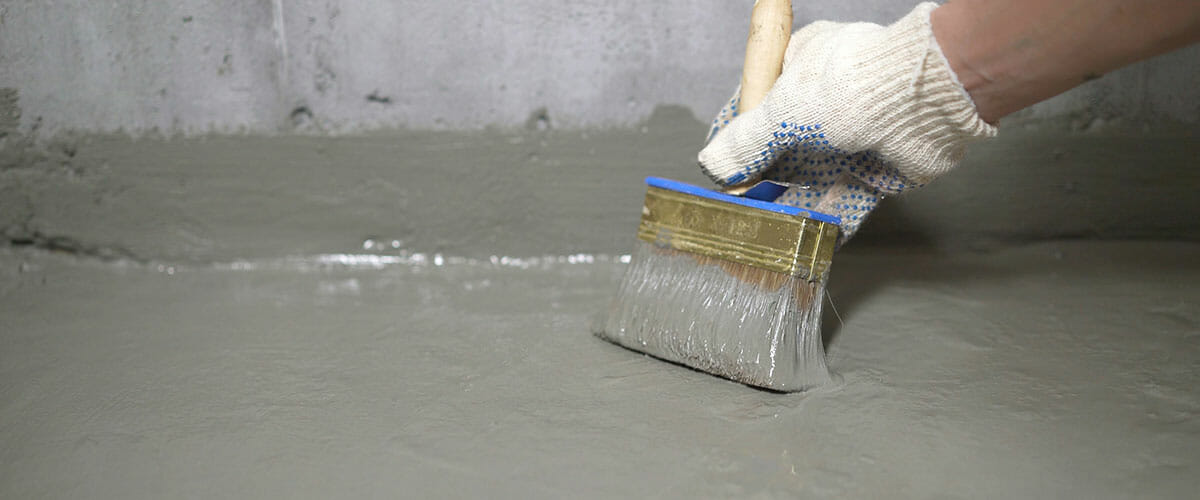
Seal cracks and gaps in your basement walls and floors. Water can quickly enter your basement through even the smallest openings. Even small cracks and gaps in your basement walls or floors can allow water to seep in. Get the most effective waterproofing solutions by contacting an experienced basement finishing expert to seal any openings and keep your basement dry and protected.

Install a Sump Pump

Installing a sump pump in the lowest part of your basement can protect it from flooding. The pump can pump out excess water that may accumulate during heavy rain or snowmelt, helping keep your basement dry in even the wettest conditions.

Exterior Waterproofing

Consider exterior waterproofing to ensure your basement stays dry and protected against water intrusion. A waterproof membrane can be applied to the exterior of your foundation, creating a barrier against water. While exterior waterproofing may be more costly, it can provide added protection against water damage. The experienced basement remodeling contractors at Aspire Construction can help you with exterior waterproofing solutions.

Maintain Proper Ventilation

Proper ventilation keeps your basement dry and prevents mold growth. Install vents or fans to circulate air. Doing so can help reduce humidity levels and prevent moisture buildup, keeping your basement free of water damage.

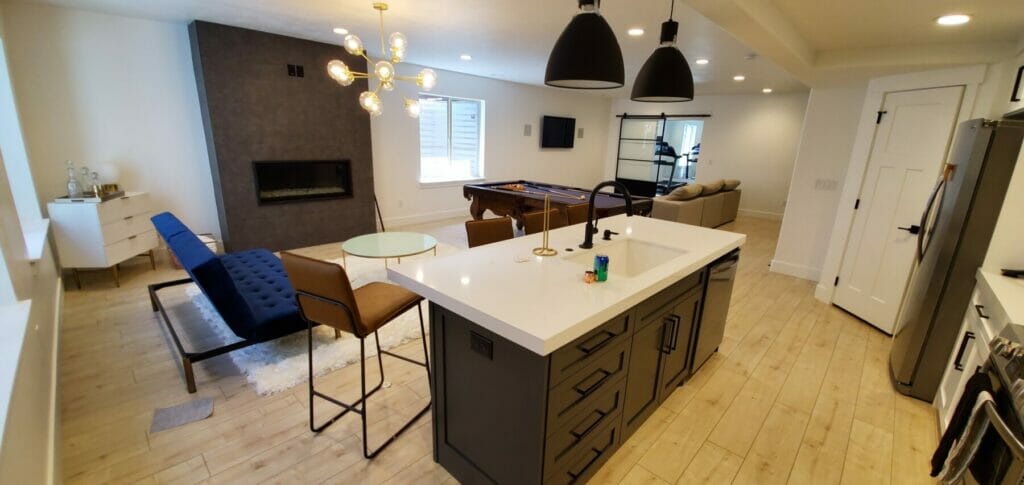
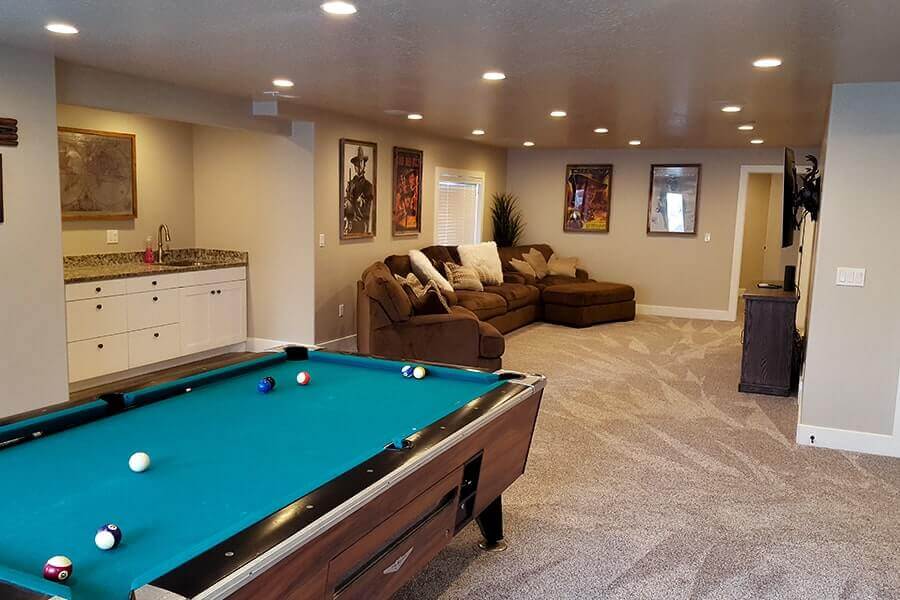
A finished basement in Utah with a kitchenette, pool table, couches, a TV, and other features.

Request a quote

By following these tips and working with a reliable contractor you can have a dry and waterproof basement ready for finishing.

At Aspire Construction, we specialize in basement finishing and remodeling. Our team of experienced basement contractors can help transform your unfinished basement into a functional and enjoyable space. Create a home theater, a living room, or a play area. We have the expertise to bring your vision to life.

When finishing your basement, work with a professional contractor who understands the ins and outs of waterproofing. Hire a contractor for your basement remodel to ensure the project is completed on time, on budget, and to your satisfaction.

Contact Aspire Construction today to learn more about our services and how we can help you with your basement project.

basement remodeling ideas

8 Ways to Transform Your Basement into a Space You’ll Love

By Basements

8 Basement Renovation Ideas to Transform Your Space

Basements can often have a bad reputation–these dark, cool places inside the home are often unfinished and commonly used as storage areas instead of places your family can gather and enjoy time together.

Whether you’re planning a massive basement renovation or a light finishing project, there are plenty of things you can add to your basement that will take it from boring to extraordinary. Here are a few things you can incorporate into your basement to use it to its full potential.

1. Utilize Natural Light

Because basements are so low to the ground (or below ground), they’re often dark and gloomy. If there’s room in the budget, plan to add as much natural light as you can during your basement renovation, like installing larger windows or light wells. Dark basements also benefit from using mirrors to increase room light whenever possible. Also, consider using light-colored flooring and walls to reflect the natural light.

2. Add Color

Another way to lighten up your basement is to incorporate bright colors. Your basement is the perfect opportunity to experiment with bold statement colors that you’ve always wanted to try. If used effectively, bright colors will make your basement feel brighter and create an optical illusion of more space and height. 

3. Make it Fun

Here’s your chance to think outside the box! Ask yourself, what fun elements can I add to my basement space? Many people choose to add a game or entertainment room where the family can relax. Need an area where the kids can play for hours on end? Install a playroom behind a secret door. If you’ve always wanted a theater room, the basement is an ideal location to install one. Put a cozy reading nook into your plans or even a music room where the family can have jam sessions. When it comes to making your basement a fun place, the sky is the limit.

4. Create Coziness

Transform your basement from a cold, dark area into a place where you’ll want to spend your time. After all, a basement can be a relaxing place, so why not make it cozy? Design a living room with comfortable furniture, plush pillows, and some throw blankets. A rug adds a warm feeling to the room and can protect feet from a cold basement floor. Lamps, potted plants, and candles are finishing touches that create a warm ambiance. 

5. Think of Functionality

Not only can a basement be a place of entertainment and relaxation, it can also be a place to add functionality that might be missing in other areas of your house. In fact, the most liveable basements often incorporate elements of many different types of spaces. For example, have you recently started working from home and need an office space? Or have you always wanted a gym space of your own? Brainstorm some functional elements you can add to your basement renovation that will improve the usability of the space.

6. Don’t Forget the Essentials

While you’re planning all the fun and functional components of your remodel, don’t forget to incorporate the essentials for a liveable basement. You’ll want to plan for at least one bathroom in the basement area. Adding a bathroom in the basement space not only adds convenience but also provides ease of access. Many homeowners also add kitchen elements, such as a wet bar, kitchenette, or even a full-size kitchen. Incorporating these kitchen elements makes your space more usable and convenient. It can also drastically increase the value of your property.

7. Add a Dose of Personality

When you incorporate elements of your personality into your basement, you’re likely to spend more time down there. How can you accomplish this? There are many different ways.

First, you can incorporate some of your favorite hobbies into the space. If you like wine tasting, add a wine cellar. If you’re an artist, plan an area where you can create. Adding personality can also be as small as hanging up some of your favorite movie posters, picking out funky wallpaper, or displaying treasured family items. 

8. Remember to Add Storage

Basements are an ideal place to store many different things. The key is to make sure the storage place is well-planned and organized. Cold storage rooms with well-built and organized shelving are great places to store food and other essentials. Instead of storing holiday or personal items in a garage, create a well-organized room where you can arrange totes. Don’t forget to add other storage elements, such as closets, cabinets, or other built-ins.

Create Your Dream Basement Space with Aspire Construction

If you plan to renovate your basement but aren’t sure where to begin, call the basement finishing experts at Aspire Construction. Our professionals will guide you through the entire process, ensuring we incorporate every element you’d like. With over 40 years of combined construction experience, we’re the team you can count on to create the basement of your dreams. Contact us today to begin your project.
finished basement with kitchen

Completed Basement Finishing Projects

By Basements

Creating a family-friendly place in an unfinished basement is a common goal for many homeowners who have put it off for years. If you’re interested in taking a step toward finishing the extra space in your basement, you may have some questions about what to expect. Here’s a little more about the process of completing a basement and what you can expect from Aspire Construction, the leading Utah basement finishing experts.

What is the process of finishing a basement in Utah?

Prepare

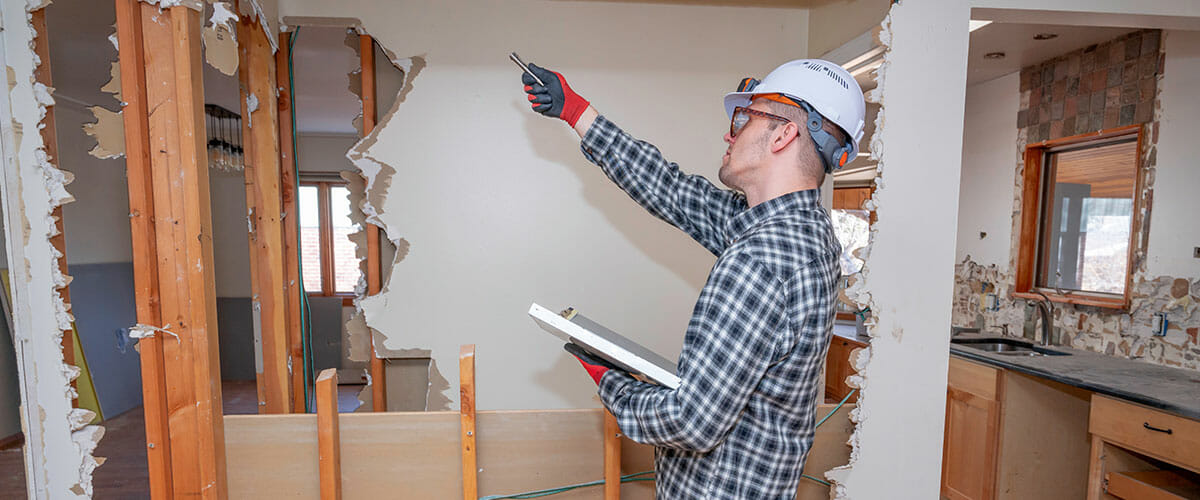
Before any actual work can begin on the basement, you’ll have to complete some prep work. First, you’ll need to remove all items and clutter from the basement. Not only will this help the process of getting started, but you’ll be able to see your space again, giving you ideas on how to use it best. Next, a designer must draft plans for the area.

Once you’ve put together a detailed design for the basement, you’ll need to obtain permits from the city. Getting permits ensures that your work will be done up to code, saving you from possible headaches later. Aspire Construction can assist with drafting plans and applying for permits during this stage of the process.

We also suggest completing moisture, radon, mold, and mildew tests. If any of these are an issue, it’s easier and cheaper to address them before construction in the basement begins.

Framing and Insulation

After completing the prep work, it’s time for framing and insulation. Following your basement plans, the framers will put up walls — being mindful to frame around any current ducts, pipes, or valves.

Contractors will also install insulation at this stage. Depending on your climate, various insulation types, such as sprayed foam, foam board, and fiberglass, will most likely be used. Insulation in your basement protects heat transfer between the home’s exterior walls and helps with soundproofing.

Install Utilities

The next step is utility installation. Electricians will install all the electric wires, and plumbers will complete the beginning stages of all piping. HVAC contractors install air ductwork for heating and cooling systems, which will run inside the walls.

Choose a Basement Ceiling Type

There are several options for finishing a ceiling in the basement, such as a drop ceiling or drywall. Discuss your options with your contractor to determine the best ceiling type for your home improvement project.

Drop ceilings sit below the main structural ceiling and are an excellent option for covering pipes. They give the homeowner easy access to utilities within the ceiling in case there is a need for repairs. A dry-walled ceiling can give you a clean, painted surface and it’s easily repairable.

Install Drywall

Next, drywall installers will begin hanging drywall in your basement. They’ll hang large sheets of drywall on the studs in the basement, attaching them with screws. The mudding and taping start once all the surface areas are covered in drywall. Mudding and taping reinforce the joints of the drywall and cover up screws, allowing for a smooth surface ready for paint.

Paint and Add Finishing Touches

Once you’ve made it this far, it’s time for the finishing touches. This is where your basement will begin to come to life! Trim and doors will be installed, and everything will be painted. Cabinets in the basement will be installed, along with finishing plumbing fixtures such as toilets and sinks. Flooring, such as tiling, plank flooring, or carpet is installed. Electricians will arrive to complete the installation of light fixtures, recess lighting, and any other finishing touches are completed.

Next comes the best part: enjoying your new basement!

A Few Recently-Completed Basement Finishing Projects from Aspire Construction

What can you expect when you finish a basement in Utah with Aspire Construction? Here are just a few of the recent projects that we have completed for our clients.

Game room and kitchenette in basement remodel

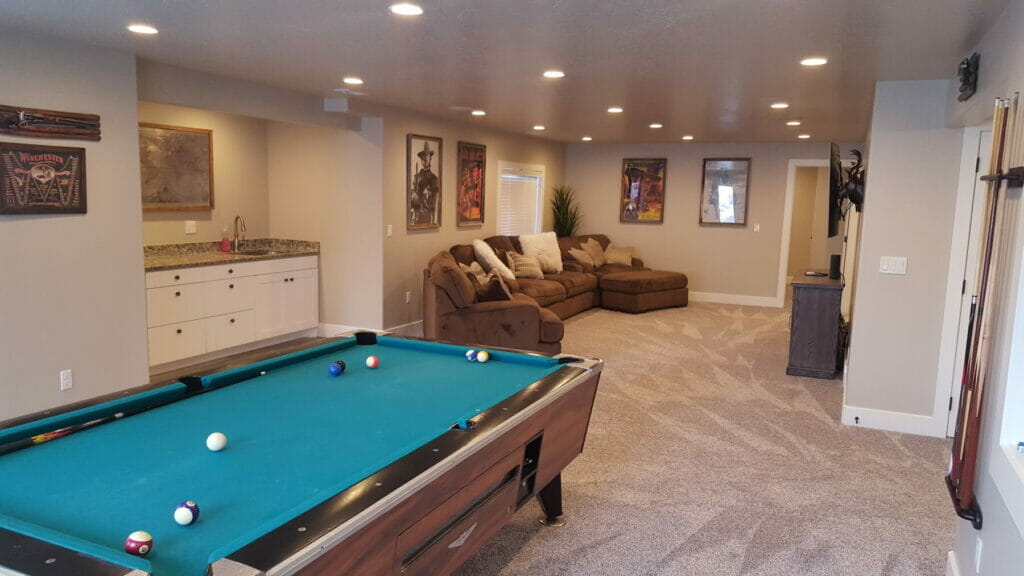
This client wanted a game room area where they could shoot some pool, kick back to watch some TV, and enjoy time together. We completed the necessary elements for the basement, such as electrical work, insulation, drywall, paint, and carpet. A small kitchenette was installed per the client’s wishes, completing the basement space.

finished basement with kitchen

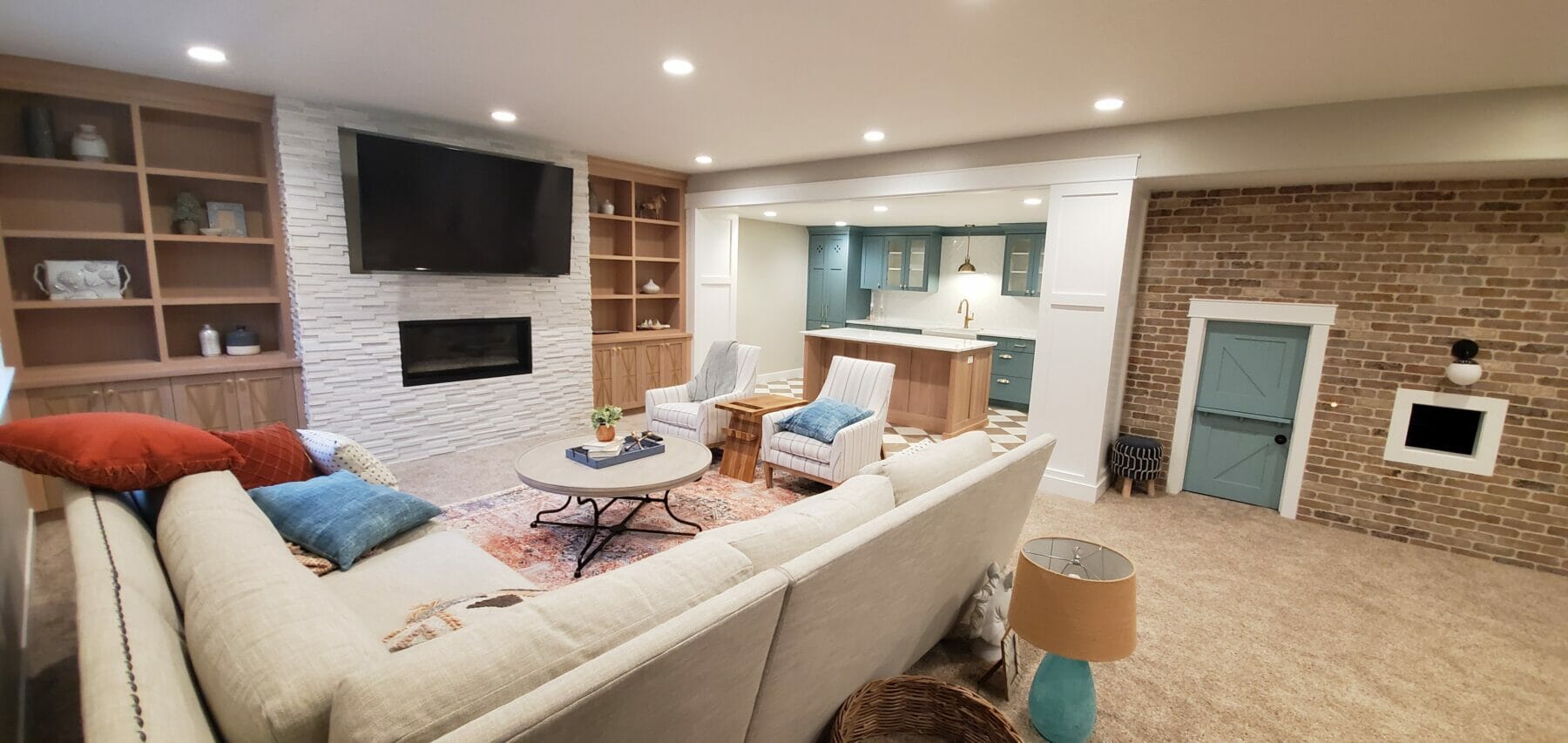
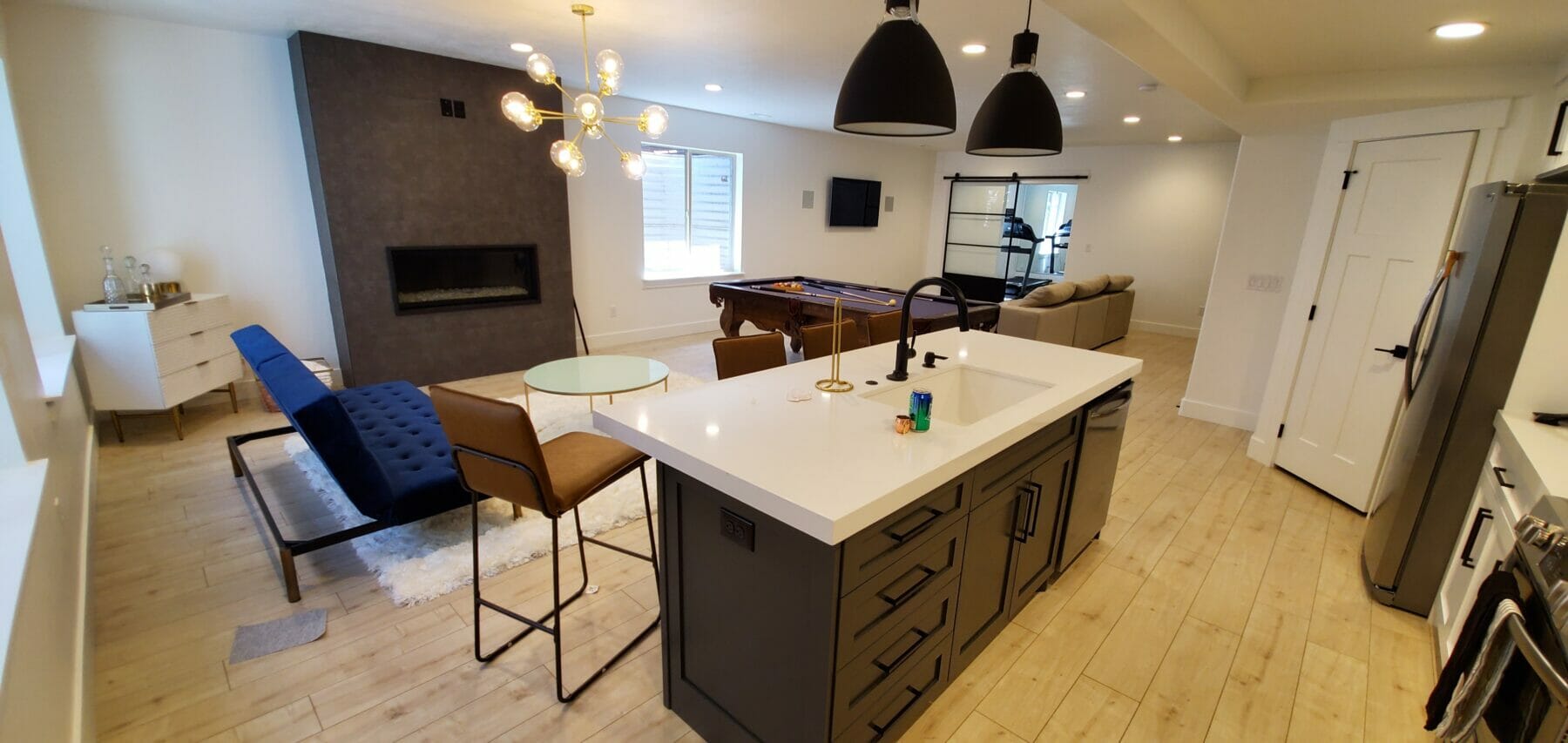
Additional living areas with a kitchenette, living room, and exercise rooms are some of our most popular requests as basement contractors. As you can see in this photo, we installed wooden flooring, a modern fireplace, and a functional kitchenette that the client will enjoy for many years to come.

comfortable basement entertainment area with kitchenette attached   basement finishing with built-ins

Many clients enjoy having media built-ins to help organize and display items in their basements. We added a fireplace, media built-ins, and a kitchenette area in this basement. See the tiny blue door in the corner? It’s a dedicated play area for children. This client maximized every square foot in their basement for maximum functionality.

Have a Basement Remodel on Your Mind? Contact Aspire Construction

If you’ve always wanted to turn your unfinished basement into an area you can enjoy, trust the basement finishing experts at Aspire Construction. We approach every project with honesty and integrity, ensuring you’re completely satisfied with your new basement.

Whether you need to finish the basement or are interested in basement remodeling, our basement contractors turn your unused space into something beautiful and functional. To learn more about what we can do for you, contact Aspire Construction today.

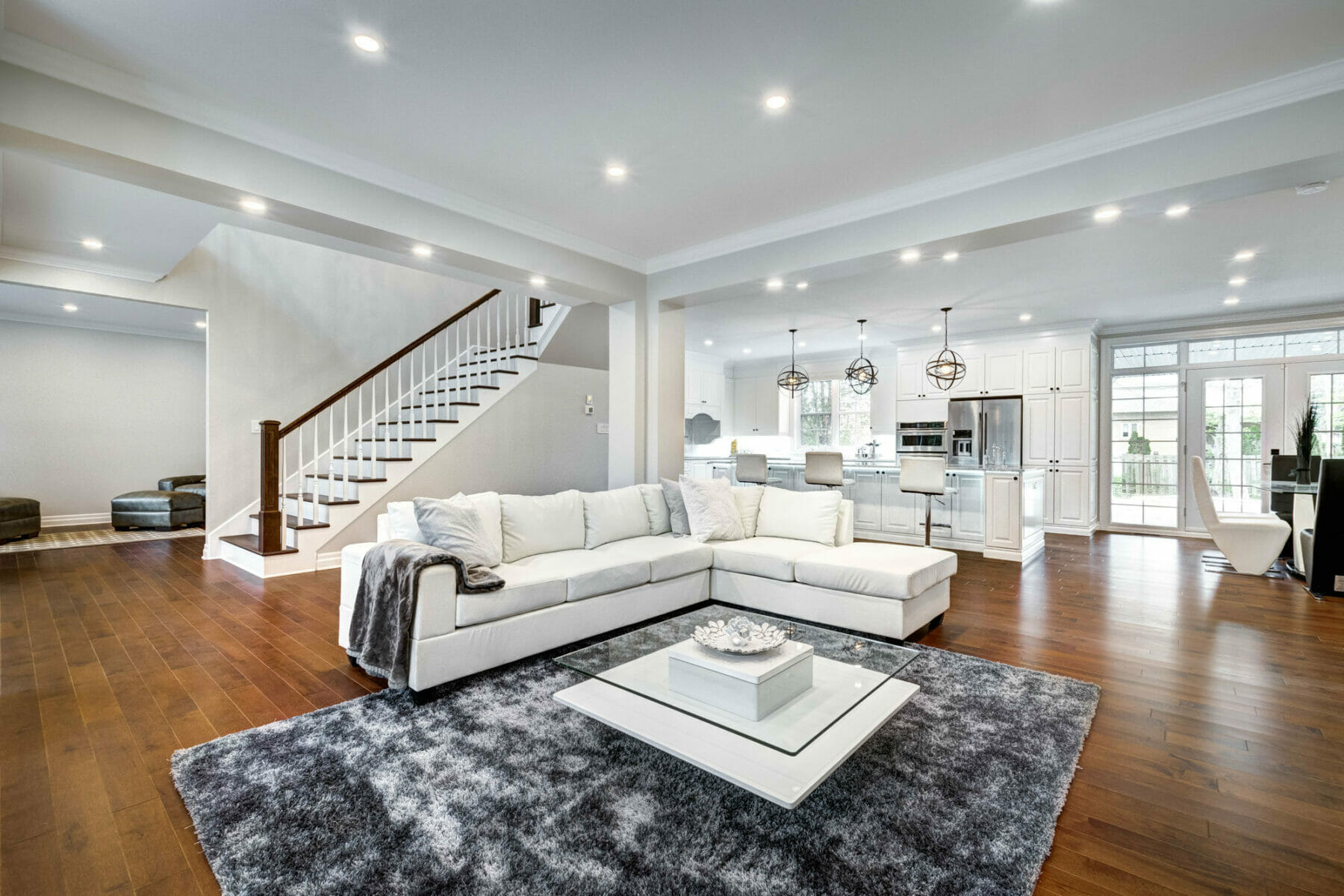
Utah basement remodeling contractors - A finished Utah walkout basement, complete with a spacious living room, dining area, and full kitchen

How to Add Value to Your Home by Finishing Your Basement

By Basements

Add value to your home with a finished basement. Basement finishing is a common way for homeowners to expand their living space and add new home features. These additions can pay off in the long run by increasing your home’s property value along with expanding your livable space. The finished basement added value comes in several forms and may vary depending on what you choose to include in your basement finishing project.

To get the most value from a finished basement per square foot, you need to plan ahead and make intelligent decisions when choosing how to use the available space. The following are some ideas for how to increase your home value by finishing a basement.

When you’re ready to start your basement finishing project in Utah, contact Aspire Construction. We offer basement finishing and remodeling construction services in cities throughout Utah.

Basement Finishing Ideas That Can Add Value to Your Home

Some basement additions may add more monetary value than others. However, whether you are adding a bathroom, expanding the laundry room, or adding an extra room the value can be realized immediately by improving your quality of life, giving you extra space and more utilities, adding a modern aesthetic to your home, and increasing your home’s equity value.

Expand Your Livable Space

Finishing your basement adds value to your home by increasing the square footage of livable space. Basement living space generally holds about 70 percent of the value of an above-ground area of the same size.

Your new basement living space will likely be smaller than the main level. This is due to the fact that basement rooms must accommodate all the utility lines, insulation, and foundation reinforcements. Nevertheless, every new square foot of living space will add value to your home.

Add a Bedroom

One main factor contributing to the home’s value is the number of bedrooms. Homes with more bedrooms tend to have higher valuations. Creating additional bedrooms in the basement can turn your three-bedroom home into a five-bedroom home. And, of course, bedrooms count as living space, so you’ll also be expanding your square footage.

Along with the monetary value, a bedroom in the basement gives you the opportunity to host guests, give a family member their own space, or even rent it out for a little extra cash.

Add a Bathroom

Adding a bathroom while finishing your basement will also add value to your home. In addition to making your home’s real estate listing more appealing, your basement bathroom will be convenient when you’re living, playing, and working in your newly finished basement.

Add a Kitchen

A second kitchen can help you when cooking meals for large gatherings or prepping for outdoor cooking. It can also be a convenient place to keep snacks and drinks. Go with a full-sized basement kitchen, or keep it simple with a small bar and sink. Any additional kitchen area in the basement will add convenience to your life, make your home more appealing when the selling time comes, and add to your home’s value. 

Create an Apartment to Rent Out

Get creative when thinking about how to add value to your home. Double up on the gain by creating an entire apartment in your finished basement. You’ll get the finished basement added value, plus you can rent out the apartment and net some monthly income. That’s the value upon value.

Add a Recreational Room

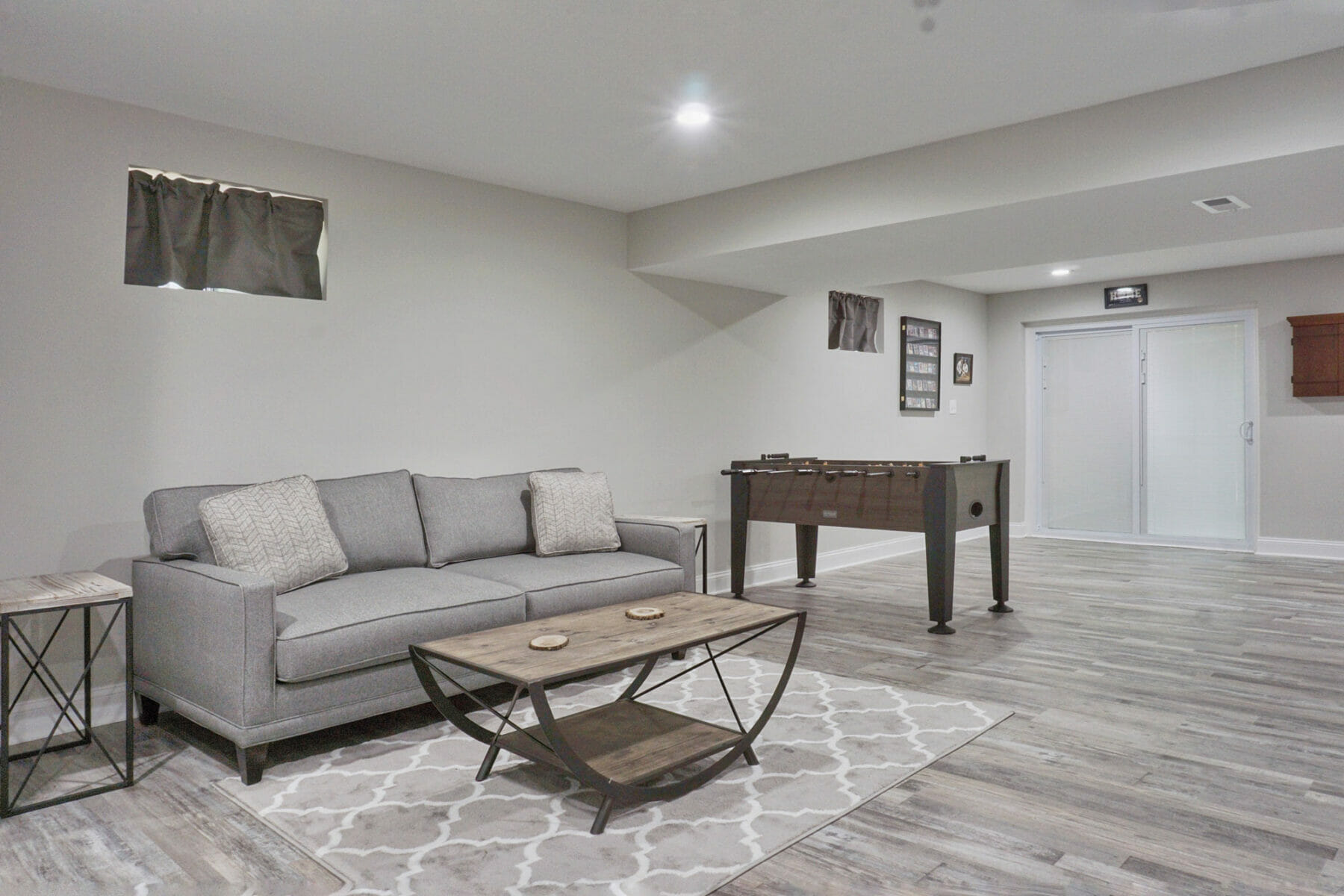
The basement is perfect for unique rooms like a game room, home gym, home theater, or man cave. These types of rooms expand living space and tend to be versatile. They are also what makes one home stand out from the next.

Don’t put off your hobbies and fun any longer. Give yourself the space you need to relax and unwind in your finished basement. You’ll feel better, have more fun, and improve the value of your home.

Add Utility Room or Workspace

Put the final touches on your finished basement with a designated laundry room, home office, or studio. Basements are also perfect for utility rooms, storage, and cold storage for all the unsightly cords, trinkets, and items we want to keep and preserve. Get the space to concentrate and get your work done in a new basement room that’s already paying for itself.

Get Help With Your Basement Finishing Project

Finishing your basement is a great way to improve your home’s value while also giving you and your family the space you need to get the most out of your lives. Any combinations of the above ideas are great ways to add value to your home as part of a basement finishing project. However, transforming those ideas into reality takes the help of skilled basement finishing contractors. That’s where we come in.

Aspire Construction has decades of experience in Utah basement finishing. Whether you need to build an unfinished basement or a current basement remodeling in Utah, Aspire Construction can do the job. Our basement remodeling contractors know how to build your basement to withstand Utah’s harsh weather so you can enjoy your space year after year while it retains its value.

Contact Aspire Construction today to get started on your Utah basement finishing project.

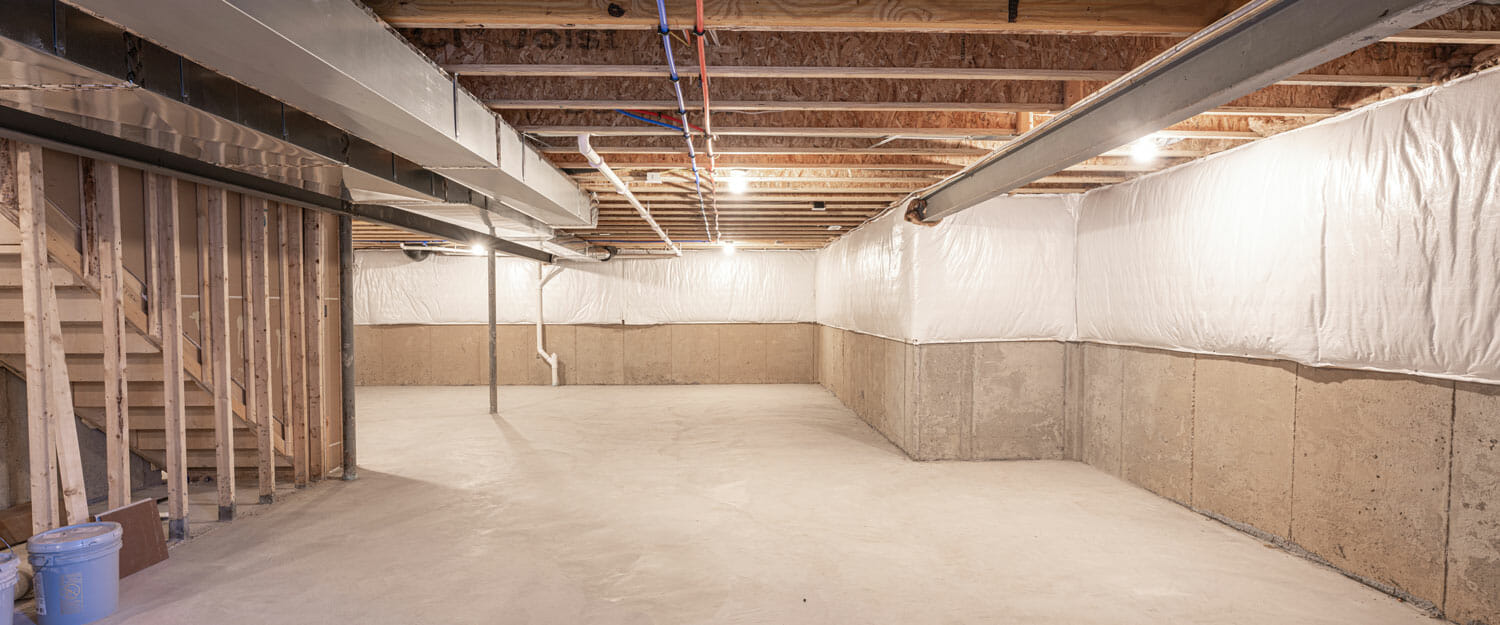
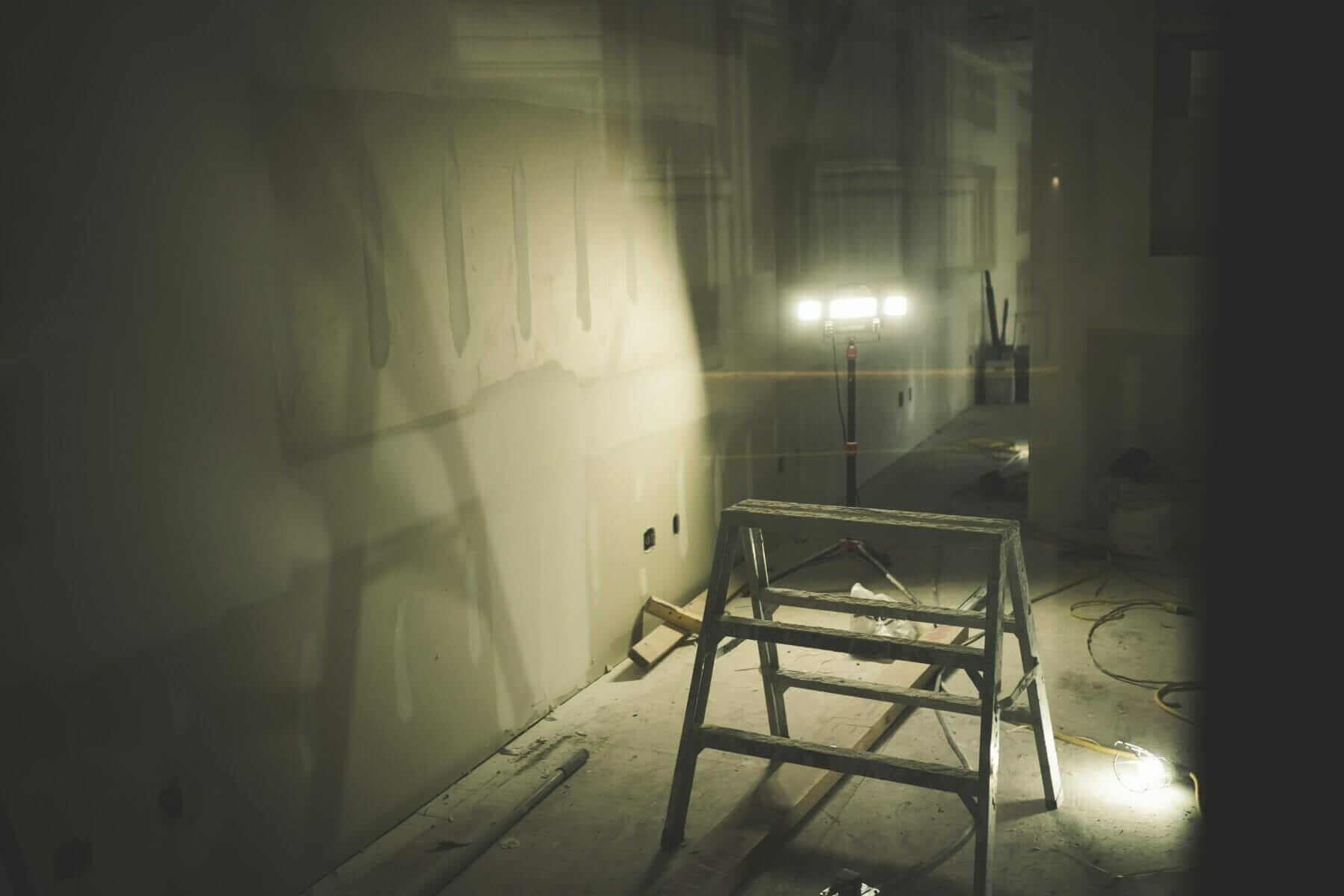
basement ready to start basement finishing project

10 Tips for Finishing Your Basement

By Basements

Are you ready to finish your basement? You may want to add more livable space to your home, or you may want to move and increase your home value before listing. Regardless of your reasons, thinking through your basement finishing project and making thorough plans is essential. Here are ten basement finishing tips and tricks to decrease stress and ensure your basement finishing gets off to the right start.

#10: Clean Out the Space Before Construction

The first thing you will need to do before finishing your basement is to clean out the space being renovated. You will need to move all items, including furniture, boxes, and exercise equipment, out of your basement. Depending on the amount of stuff you have, you can store it:

  • In your garage
  • In upstairs rooms
  • In upstairs closets 
  • In the utility room – make sure that there is space for you or a contractor to move and work around the electrical and HVAC system.
  • Off-site – a storage unit, storage pod, or the home of an excellent friend or family member

Remember that finishing a basement takes time when you pack things away or move stuff upstairs. Also, remember that construction is dusty, and items stored in the basement utility room will get covered in construction dust. 

Tip #9: Check for Safety

There are a lot of things to check and do before you can put up walls. The most important thing is ensuring your basement is safe for residents and visitors. Get your home’s ventilation system checked by a professional to ensure you won’t have carbon monoxide buildup below grade. Many Utah basement finishing contractors detect radon buildup in Utah basements. If you plan on having bedrooms in the basement, testing for radon and installing a radon pump if levels are high may be a good idea.

Your basement will also need egress windows installed, which are windows that allow individuals a safe escape in an emergency. 

Tip #8: Remember to Insulate

Insulation can provide you with a lot of energy cost savings in the long run, and it’s wise to insulate your basement well before putting up drywall. Insulate pipes, rim joists, and exterior walls to preserve heat and prevent potential condensation. 

Tip #7: Check for Moisture and Fix Leaking Problems

Before finishing your basement, you will need to check for moisture, even in Utah. Ensure all water pipes are in working order and no condensation builds up on the foundation walls. If needed, make changes to your home’s exterior to ensure water flows away from basement floors. Caulk small cracks and consider waterproofing exterior walls and floors.

Tip #6: Get the Proper Permits and Follow Codes

Following city building codes and pulling the proper permits is necessary when finishing your basement. Not only does it ensure that the work done on your basement is safe, but it also guarantees a higher list price when you sell your home. Basements not finished using proper safety codes can be hazardous and will be a red flag to future home inspectors. If you are completing your basement on your own, you can go through the proper permit process in your city. If you hire a general contractor, they will take care of the permits.

Tip #5: Inspect and Install Plumbing and Wiring

Make sure that you plan for plumbing and wiring before construction. Check on your existing wiring and plumbing options and upgrade when needed. Make sure that your electricity and wiring will support your lighting plans for the basement, including canned lights, theater lighting, and other special lighting needs. For safety, ensure a qualified electrician and plumber perform work and upgrades.

Tip #4: Design the Space to Meet Your Needs

Designing your basement is fun and exciting, and you can create exactly what you want with proper planning. Some of the most popular basement ideas are:

  • Home theater
  • Entertainment room
  • Home gym
  • Extra or guest bedrooms
  • Library
  • Game room
  • Basement apartment
  • Kitchenette or kitchen
  • Den

You can also plan for helpful storage solutions, outdoor entryways, and more as you design the space that best supports you and your lifestyle.

Tip #3: Finish Your Basement at the Right Time

The best time to get construction done on your Utah basement is during the summer months when the weather is less likely to slow or halt progress. However, summer is also one of the busiest times for construction, so make sure you start early and plan ahead – hire your general contract in late winter or early spring to begin floor plans and permit pulling, and order materials earlier if you are doing part or all of the construction yourself so you aren’t slowed down unnecessarily by delayed shipments and unavailable materials. 

Tip #2: Stick to Your Budget

Utah basement finishing costs can be high. Make sure that you budget for your basement finishing. If you complete it yourself, write up an itemized budget that breaks down the project into different areas, such as permitting, contractor work, materials, etc. If hiring a general contractor, have a budget in mind and clearly communicate what it is. Then work with your contractor to design your basement based on your budget.

Tip #1: Hire a General Contractor You Trust

Basement finishing can be expensive, overwhelming, and time-consuming when you take it all on yourself. Consider hiring part or all of your basement remodeling project to save time, money, and sanity. Aspire Construction has some of the best Utah basement finishing contractors to design and create the space you want. They complete your project on time and within budget and communicate clearly with you throughout the process. If you wish to finish your basement or remodel your space, Aspire Construction can help. Contact us today to get your project started.


home construction - basement finishing - home insulation

What Kind of Insulation is Right for Your Basement Finishing Project?

By Basements, Residential

Tackling a basement finishing project isn’t a small task, and there are many decisions to make. One of the most important decisions is the kind of insulation you should choose. Insulation is critical to any basement; the more stable the temperature in your basement, the more stable the temperatures will be throughout your home in both the summer and the winter.

With so many options on the market, which kind is the best for your Utah basement finishing project? As the leading basement contractors in Utah, we at Aspire know a thing or two about the insulation of basement walls. Let’s discuss all the basement insulation options on the market so you can make a more informed choice.

basement insulation

5 Most Common Types of Insulation in Utah Homes

  • Batt

Commonly made from fiberglass or mineral wood, batt insulation was traditionally manufactured in rolls but is now cut into flat pieces. Batt insulation is available with or without facing, and local climates will determine what type is installed. Generally speaking, batt insulation isn’t the best option for exterior basement insulation because the fiberglass is not an effective vapor barrier.

  • Blown

Blown insulation is made from a cellular plant source, such as wood and recycled paper products. It’s an excellent option for enclosed areas because it easily conforms to ductwork and pipes and fits easily in the space where insulation is needed. Blown insulation is a great option for attic spaces.

  • Reflection

This type of insulation features a reflective facing made from aluminum foil or aluminized polyester. It is an incredibly efficient type of insulation and can reflect heat by up to 95%. In areas with extreme temperatures, it can keep out hot summer air and keep warm air inside during the cold winter. Reflection insulation is effective when installed near a heat source, such as near HVAC equipment, underneath a metal roof, or in an area behind a stove.

  • Spray Foam

Spray foam, made with a mixture of isocyanate and polyol resin, is an air barrier material that is an effective seal that can be applied to floors, walls, and ceiling cavities. It can be sprayed into any cavity, such as an attic, crawl space, rim joists, and more. If an open cavity can benefit from extra insulation, spray foam is a great option. Closed-cell spray foam is an excellent option for insulating basement walls because of its ability to resist moisture with minimal application.

  • Foam Board

Also known as rigid foam insulation, foam board insulation is commonly used for basement wall insulation because of its ability to resist moisture. It is sold in panels of various sizes and is made from polyurethane, polystyrene, or polyisocyanurate. It can be installed into any cavity of the home and can also be used as sheathing on the outside of the house.

basement finshing - choosing the right insulation for your basement

A Few Factors to Consider Before Selecting Insulation

  • Cost

The many different kinds of insulation mean that there are many variables to consider when selecting insulation for your space. Prices can vary from a national average price based on the size of your project, labor prices, equipment being used, and more. Fiberglass batts are generally the least expensive option, while spray foam insulation is the most expensive option.

  • Location & Use

As we’ve discussed above, some types of insulation are best for specific areas, while others can generally be used in any space. In many cases, a variety of insulation is used throughout the home to provide the best possible insulation result. A basement finishing contractor, like Aspire Construction, can help you choose the best insulation for the different places in your basement.

  • Eco-Friendly

If you’re interested in using an eco-friendly option for your Utah basement finishing project, you’ll be pleased to know that there are plenty of choices on the market. Some green insulation options are cellulose fiber, rigid cork, fiberglass, mineral wool, and some varieties of spray foam.

  • R-Value 

R-value is a rating scale for thermal resistance. The higher the R-value, the more effective the insulation. Utah has specific insulation requirements for homes based on the home’s location. For example, attics in homes in northern Utah need at least R-49 to R-60 insulation. The R-value for attic insulation is based on the insulation depth, with 12 inches deep being equal to R-36 and 16 inches deep being equal to R-48.

basement finshing - window well

From Insulation to Finishes, Trust Aspire for Basement Remodels in Utah

Are you looking to begin your Utah basement finishing project? Trust the professionals at Aspire. Not only will we take care of your remodel, but we’ll take the guesswork out of finding the right insulation for the job. With over 40 years of combined experience, there’s no project our Utah basement contractors can’t handle. Our licensed professionals will take over every step of the job, communicating with you throughout the entire process for the best possible result. Contact us today for a bid on your next Utah basement finishing project and more.

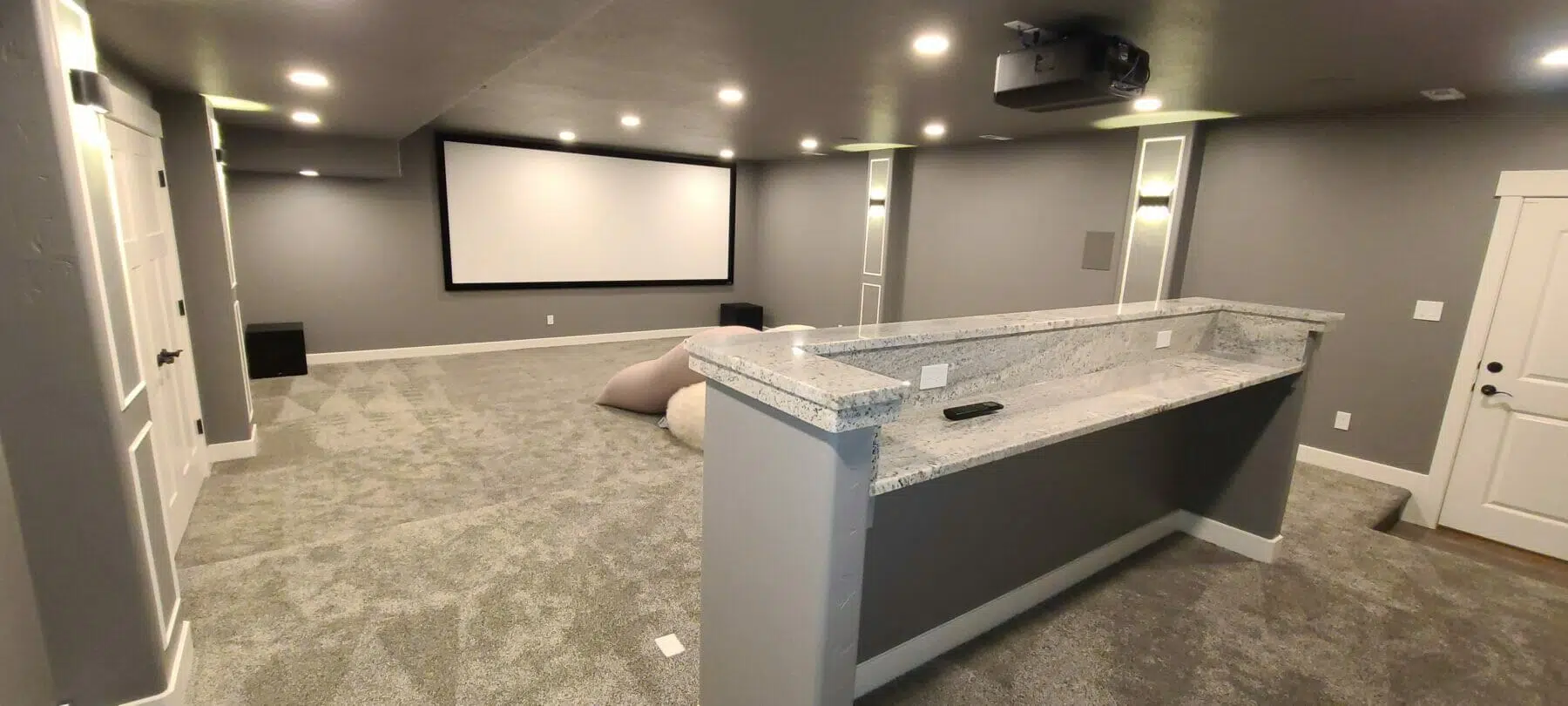
home theater in basement

Design Tips and Ideas for Your Basement Home Theater

By Basements, Residential

Adding a home theater can be a great way to create a multi-use space that benefits the whole family. However, no two home theaters are exactly alike, and making the right theater for your space requires you to consider several factors.

Below, we’ll lay out some of the common trends we’re seeing in Utah home theater construction and leave you with some tips for designing the ultimate home theater in your basement.

For the best in Utah basement home theaters, the first tip is an important one: get help from a Utah basement home theater contractor like Aspire Construction. Aspire has experience handling all the roadblocks you may stumble upon in a Utah construction project and can help you navigate them efficiently. 

Three Trends in Utah Basement Home Theaters

While each home movie room is slightly different, we can still spot trends that tend to occur over time. We see the following features in many Utah home theaters.

Basement Still Offers the Best Setting

Most Utah home theaters continue to be built in the home’s basement. Basement rooms tend to cost less to maintain optimal temperature through Utah’s large temperature fluctuations. Basement movie rooms also block out more natural light than movie rooms at ground level or higher. The lower lighting often makes the movies easier to see, especially if your basement home theater room uses a projector.

Outstanding Technological Achievement

Modern technology has reduced the costs of home theater technology, from the high-quality components of a surround sound system to projectors and screens. That makes constructing a theater room more affordable for more homeowners.

Technology has also gotten better. Many modern projectors can create a full and bright image on a projection screen for very little compared to models of just five to 10 years earlier.

Modern interior design components also simplify installing your new tech. Many modern elements of a home theater system, from the television or projector, to the individual speakers of the surround sound system, can connect through a private, in-home wireless network.

While these components still require power, wirelessly connecting them to each other eliminates the need to run a special conduit or pull speaker wire through walls or under the carpet. Just turn on the speakers and the network and follow the wireless connection instructions. 

Double Feature

In the past, Utahns tended to create more multi-purpose home theaters. However, with the lower cost and fewer installation hurdles mentioned above, many Utah homeowners opt to create two basement theater spaces; one that’s a movie room/game room and another that’s more like a bar or a man cave. That way, the kids can still have an excellent place to play their video games, even if Dad is watching the game.

Five Design Ideas for Your Ultimate Home Movie Room

Follow these five tips to give yourself an edge when designing your home theater and building it into a feature piece of your finished basement.

Keep Use Cases in Mind

Every home theater is different. Some simply need to host family movie nights. Others must function as multimedia rooms and integrate other components, like gaming systems or computers. Others must change functions based on the day or even the time of day. It could be a living room by day and a basement theater room by night.

Keep the use(s) of the room in mind throughout the design. It should influence your design theme and all of its elements. The uses of your space will also dictate the technological components you’ll need to ensure it can perform all the functions required.

Be sure to consider how the lighting and atmospheric conditions will change throughout the day or the year and how those changes may affect the people in the room you’re designing. Incorporate any additional features needed to add comfort and convenience to the room such as additional heating units, fans, dimming switches, and more. 

Pick a Theme and Embrace It

Utah basement home theaters come in a wide variety of styles for fans of any genre. You can design a home theater based on your favorite TV or movie franchise. Some people like to celebrate movies in general with their theme. Others like their home theater to reflect their favorite sports team. Sometimes people want their home theater to resemble a sports bar, and sometimes they want it to keep the feel of a living room.

No matter what theme you choose, stick to it and use only colors and materials that support your theme in your interior design. Your theme will tell you what colors to use, what types of furniture to get, and what wall coverings to use and influence every decision, from construction concerns to lighting choices.

For example, if you want to recreate the full theater experience at home, you may want to build or install tiered stadium seating.

Consider All The Angles

The point of a home theater room is to provide a place where friends and family can watch something together. So, make sure everyone can see it. Consider the sight lines of every seat in the room and any areas you expect people to stand. Don’t block anyone’s potential line of sight with furniture or other design elements.

If you plan to use a projector, ensure you get the right size for the room and mount it where it can project to the screen without distorting the picture. Don’t block the projector’s throw with furniture or other design elements. Otherwise, you’ll get shadows on your projection screen.

Embrace Technology

Keep your home theater up-to-date for as long as possible by opting for the most modern technology possible. Not only will leaning into modern technology make installing and integrating your home theater component much simpler, but it will also save you from having to update your devices and set up in just a few years’ time.

Connect your home theater components wirelessly. It makes each piece simpler to relocate and upgrade. You can also integrate your home theater with the rest of your smart home technology. That way, you can see your doorbell camera without leaving the theater. You’ll know if it’s the pizza guy at the door or just your neighbor’s dog without missing a minute of the action on screen.

Keep It Cozy

Remember, you can always go out to a theater. The point of creating one at home is to offer a new experience, by personalizing your theater and bringing in the comforts of home.

You and your guest will likely spend a lot of time sitting while watching. Choose comfortable chairs and couches for your home theater.

Insulate your home theater room thoroughly as part of its construction. That will help you keep the temperature in the room regulated to an optimal level.

Use adjustable lighting for your home theater. That way, you can dial down the brightness level for any serious movie-watching experience.

Don’t forget about concessions and restroom facilities. Design a bar or kitchen into your basement theater room, or make sure you have one close. Always ensure the people in your home theater have quick access to a bathroom.

Design your home theater with help from Aspire, the #1 Utah basement home theater contractor.

From new build-outs to additions and remodels, Aspire architects and contractors have experience creating fantastic home theater spaces for homeowners across Utah. Aspire knows the local landscape that the current challenges contractors face.

Don’t get bogged down in design conundrums or supply chain delays. Let Aspire and our team of material suppliers negotiate the details. You just tell us about the experiences you want to have in your new basement home theater, and we’ll handle the rest.

Contact Aspire about your Utah basement home theater today!

basement entertainment area with walk out

How to Turn Your Old Basement into a Rentable Living Space

By Basements

We could all use a little extra cash. Maybe you’d like some help with your mortgage payment every month, want to save up for your next vacation, or are just looking to add to your savings. In Utah, where nearly every home has a basement, you have an excellent opportunity to earn a little extra cash right under your feet. Below, we cover a few basics you should know about gaining a profitable rental space through basement remodeling in Utah.

But first, how much money could you realistically earn on a basement rental in Utah?

rental unit in salt lake city basement

Why Salt Lake City Basement Finishing is a Smart Investment

A quick search on KSL.com shows that basement apartments in Salt Lake City range from $1,200 to $2,200 a month, depending on the square footage, location, and the number of bedrooms or bathrooms.

Airbnb, a popular short-term rental website shows that many private basement apartments in Salt Lake City, for two or more guests, rent for $80 to $150 a night. While this varies depending on the date and season, it doesn’t include the additional cleaning fees which are also covered by the renter.

Whether your goal is to rent your extra space for short-term stays or to gain a long-term tenant, a basement apartment can be an excellent way to maximize your home’s potential — especially in a popular tourist destination and growing metro area like Salt Lake City.

How to Convert Your Basement Into a Rental

Don’t start selecting paint colors or shopping for furniture just yet. There are some critical aspects of basement finishing in Utah that you must consider before renovating your space. These will not only make the space more comfortable for tenants, but will also ensure you’re following local regulations, too. (More about that below.)

Learn About Local Laws That Govern Basement Remodeling in Utah

In Utah, you must comply with local laws that support safety and structural integrity when renovating your basement. Be sure to review local regulations and tax ordinances to avoid the fees and legal hurdles that come with any potential violations.

In Salt Lake City, the Existing Residential Code outlines many of the safety, environmental, and occupancy requirements for homes, including basement apartments. This code gives regulations for shower and bath sizes, fire safety points of egress, natural light, smoke detectors, and more.

To guarantee you’re meeting these requirements, you will likely need a building permit from your local municipality before making any renovations.

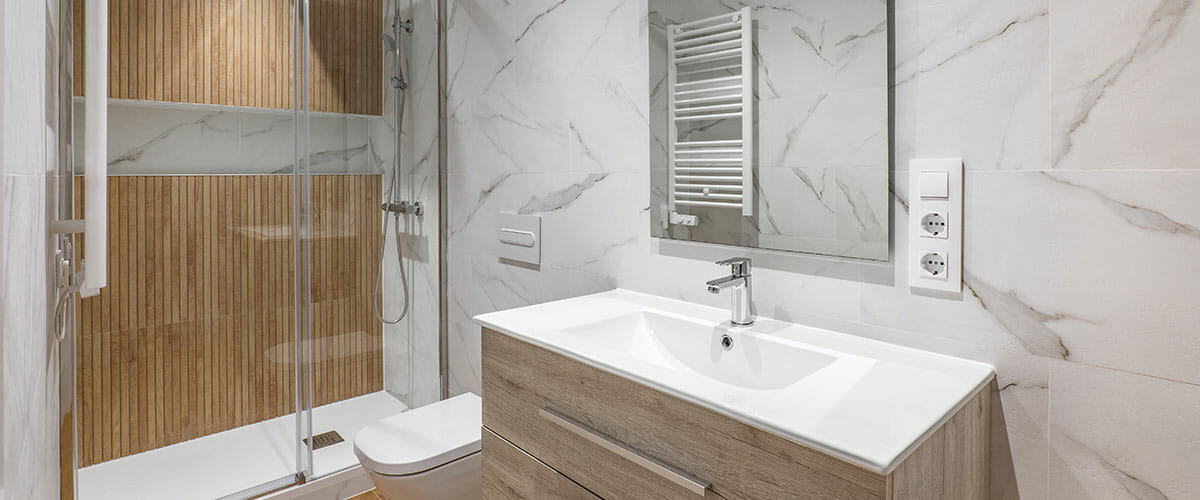
updated basement bathroom - bathroom renovation and installation

Add Or Enhance a Separate Entrance and Increase Natural Light

Especially for long-term stays, it’s important to install a separate point of access for renters that leads to the street or the yard. A separate entrance is about more than privacy; having an exterior door offers more safety in the event of a fire or other emergency.

Additionally, make sure your basement windows qualify as points of egress (or additional points of escape in an emergency). Ensuring windows are the proper size also offers more natural light which can make a basement feel more welcoming and open, improving the quality of your apartment. Be sure to double-check regulations in terms of windows; you may also need a certain number of points of egress to accommodate a certain number of renters.

Install a Bathroom and Kitchen or Kitchenette

Bathrooms and kitchens require certain plumbing hook-ups that your basement may not have. Utah basement contractors can help not only fit your space with the right plumbing infrastructure, but also build, install, and finish your bathroom and kitchen areas.

For short-term rental space, consider offering a small “kitchenette” area if a full-size kitchen isn’t in your budget. Providing a microwave, additional sink, and small fridge can improve the livability of your basement unit for those guests staying in your space for just a short amount of time.

basement waterproofing for concrete foundation

Check for Damage Before Insulating and Waterproofing

Because basements are prone to dampness, damaged wood and mold are not rare occurrences. Have a thorough inspection of your basement completed before you begin finishing the space. If you fail to fix structural issues or mold at the beginning of your renovation project, it will only mean additional costs and headaches down the road.

If you’re unsure of what to look for, hire a capable Utah basement contractor to complete this step for you. They’ll be able to detect wood rot as well as insect damage in common problem areas like floor joists, the sill plate, and wooden window frames, among other areas.

To discover how damp your basement is, invest in a hygrometer. They’re quite affordable and can be bought at most home improvement stores. This device gives you a relative humidity reading. (Note that homes are recommended to have a humidity level between 30-50 percent.) If your basement has a higher humidity level, it’s likely because there are leaks or cracks in the walls or foundation where outside humidity is entering. Repair any structural damage and then use a dehumidifer to restore a more comfortable humidity level in the space.

If your basement is damp, mold is more likely to be present, too. Mold is a serious health issue, so don’t try to tackle this problem on your own. Hire a mold remediation company to come test for and remove mold from your basement.

Finally, don’t forget about the overall air quality and purity in your basement. You want to make sure the air is healthy and supports comfortable living. If your HVAC system is in the basement, it’s a good idea to test the air quality to make sure the system is ventilating correctly. Also, if you haven’t tested for radon, now’s the time. This invisible, odorless gas can cause long-term health complications and is most commonly found in higher concentrations in basements. Order a radon test online for quick, accurate results to determine if you need radon remediation.

Basement and kitchen construction contractors

Trust Utah Basement Finishing to the Construction Experts at Aspire

Basement finishing, when done well, requires several steps but can be well worth the time and investment in the long run. Our Utah basement contractors have finished basements all along the Wasatch Front and are ready to make your space a comfortable, inviting place that people will be excited to rent. If you’re short on time and don’t have much remodeling experience, trust us. We’ll handle everything — including making sure your remodel is up to code and compliant with local regulations. Contact us to get a quote about your Northern Utah or Salt Lake City basement finishing project.

Finished Basement Project with Small Kitchen, Fireplace, and Lots of Seating

How to Finish a Basement

By Basements

You may be looking to install a home theater or add a guest room. You may simply want or need more living space. Whatever the vision, your unfinished basement holds potential. This article explores the steps you need to take to know how to finish a basement so that you can enjoy your extra space. Finishing a basement follows a process for the best and most efficient outcome. Here are the steps required to construct and complete your space.

How to Make a Comfortable, Livable Space in Your Unfinished Basement

Prep The Basement

If you are serious about a basement remodel, you first need to clean it out. Moving boxes from one unfinished room to the next will not cut it. The fastest way to finish a basement is to complete it all at once, not piecemeal, and this requires a clear, empty space. Organize and clean out your area. You can store items in your unfinished storage room, but leave space around the electrical box and water meter. If you have a large number of things, you can:

  • Store it in other rooms in the house or the garage
  • Rent a storage unit or portable POD
  • Consider donating unused or unwanted items to a local donation center

Next, check your basement space for any water damage. Make sure there is no moisture build-up on the floor. Call in a plumbing professional to address any water damage or leaks and insulate water pipes. If you suspect rot or insect damage, sagging floor joists, or improper ventilation, call in a contractor or handyman to correct those issues before beginning. If your home is at risk for radon, install a radon pump at this time.

Start with the Basics: Design

Once you have prepped your basement area, you can begin the design process. There are many different floor plans to consider. Plan the location and height of walls and ceilings. You have three options for a basement ceiling design: you can use a drop ceiling, drywall it, or leave it open for an industrial look. Whatever option you choose, make sure that it meets permit requirements for height.

Do I need a permit to finish my basement?

A permit is essential when finishing your basement. It will save you time, money, and hassle down the road. You will need your finished basement on record if you sell your home or if something happens and you need to document the work you completed. Visit your local government website, often under the “Building Department,” to obtain a permit. (But if you hire a general contractor, they will handle the permit process for you.)

Start with the Basics: Installation

Once you have completed your design plans, you can install insulation and begin framing. Insulation should be installed according to instructions and completely cover all exterior walls. Framing will require 2x4s on both the top and bottom, known as the top plates and bottom plates. Then, cut and install your studs.

After completing insulation and framing, the next step is to install utilities that will run inside the walls, including electrical wires, plumbing, and air ductwork. We recommend hiring a professional for this portion of your basement project. This work is strictly regulated for safety and should not be done without a certified professional.

After installing framing, insulation, and utilities, it is time to mount the drywall. Measure and cut the drywall to end on the studs, and remove sections where utilities need to be exposed, such as lights and outlets. Then hang the drywall using drywall screws. After the drywall is mounted, it is time to tape the seams and mud the seams and screw heads. If you want your finished basement walls to be textured, apply drywall mud for texturing. Texturing usually requires multiple steps, where you apply the mud, let dry, sand, and then repeat the process.

Customize the Space

Now that you have completed the basics, it is time to customize your space! Make sure to clean up the area, vacuum, and wipe down all of the dust from drywalling. The next step is priming and painting. Apply a layer of primer before painting. After you choose your colors for your trim, doors, walls, and the basement ceiling, go for it. It is easiest to paint the trim and doors before hanging them. You can use a brush or roller or rent or purchase an interior paint sprayer.

The basement flooring is next. Regardless of the flooring you choose to install, you most likely have concrete floors and will need to install a subfloor to make your basement floor more comfortable, even, water-resistant, and warm. Once your subfloor is set, you can install the flooring. Consider what the space will be used for when choosing a flooring type. Carpet and laminate are the most popular choices for basement floors.

Once the floors are in, you can hang the baseboards, hang the doors, and install your lights, outlet covers, and other miscellaneous items. You have a finished basement!

Choose Your Approach: Is it cheaper to finish a basement by yourself?

As explored above, there are many different steps to a finished basement. Some homeowners choose to complete it all on their own. Others choose a hybrid approach and hire out some work while completing other tasks independently. Many homeowners hire a general contractor or basement finishing company to finish their basement. 

Those who choose to complete it on their own save money in labor. While this is the cheaper option, it takes much longer to finish and will likely be a lower quality job than hiring professionals.

When you hire a company to finish your basement, you get a cost estimate upfront and won’t be surprised by the added costs throughout a DIY project. You are saved a lot of headache and hassle as the permit process, subcontractor hiring, labor, installation, and more are all included. When delays and problems crop up, you do not have to waste time, money, and stress because your contractor handles it for you.

Choose the Talented Pros of Aspire Construction for Basement Finishing in Utah

If you are considering hiring help to finish your basement, contact Aspire Construction to request a free quote for your project. We have been in the business of basement finishing for over 40 years and have the experience and honesty necessary to finish your project on time and within budget. From home theaters, gyms, and apartments to walk-out basements and family rooms, we have the knowledge necessary to bring your basement dreams to life. Contact us today!